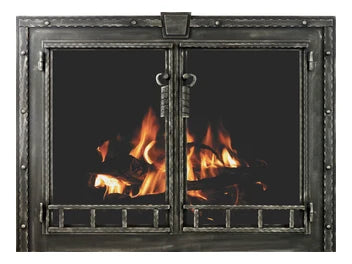
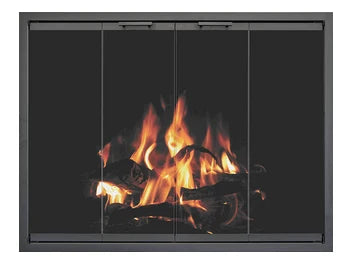
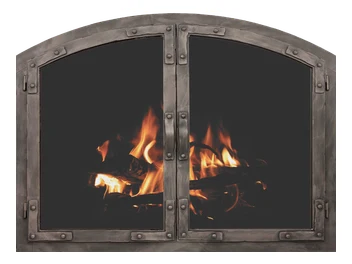
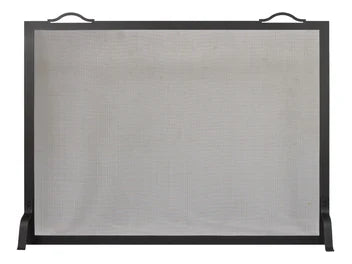
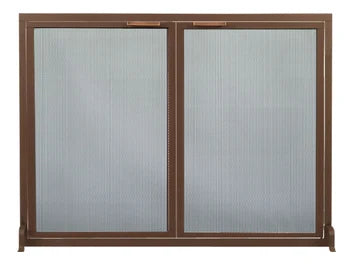
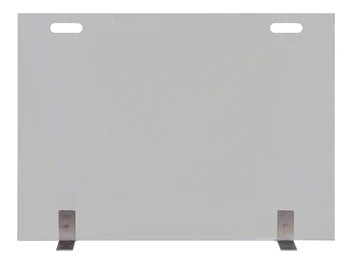
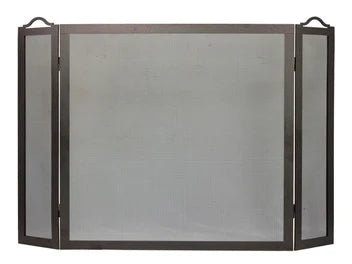
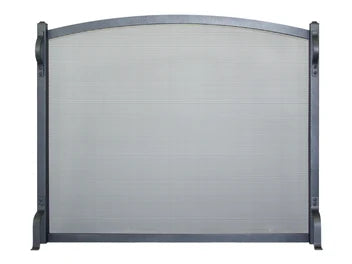

Fireplace doors · Buying guide
A door you love.
A fit that makes sense.
Start with your fireplace. Then choose how the frame fits, how the doors open, and the finish you want to live with.

Start here
First, choose the right kind of door.

Open masonry fireplace
Confirm the construction, take opening measurements, then compare doors intended for masonry. A stock door uses a stated opening-size range; a custom door is made to an approved specification.
Shop masonry doors →
Factory-built fireplace
Find the brand and full model number. The door must suit the appliance’s mounting and ventilation requirements as well as its dimensions.
Shop prefab doors →Not sure which you have? Compare the fireplace types first. For a sealed gas fireplace or insert, ask about its approved front or replacement part before choosing decorative doors.
01 · Frame position
Inside fit or overlap?
Both describe where the frame sits. Compare the corner details below, then check the space your chosen door needs. Not every door offers both. These illustrations explain the fit; they are not dimensioned installation drawings.

Inside fit
The frame sits within the opening, leaving its surrounding edge visible. A useful option when you want to keep a shaped or detailed surround in view.
Check before choosing: usable depth, uneven inside edges, projecting lintels, and the exact measuring plane. A neat-looking front can still narrow behind the face.

Overlap fit
The frame covers the edge of the opening. It can create a defined border and cover some uneven edges, provided the surrounding face supports the frame.
Check before choosing: flat space at the top and sides, raised stone, hearth level, and vents or controls near the opening. Do not assume a standard overlap amount.
Look at the bottom edge, too.


Tell us whether the opening meets a hearth at the same level or sits above it. Photograph any step, ledge, sloping stone or old bottom track. These details can affect the frame’s support, bottom rail and how the doors clear the hearth when opened.
My opening is an arch or has more than one side


A true arched opening, an arch-shaped design over a rectangular opening, and a corner fireplace need different specifications. Choose by the opening you actually have; send a photo before deciding which drawing or template is needed.
02 · Everyday use
How do you want the doors to open?

Cabinet doors
Two panels swing open from the center. Choose this if you like a simple two-panel appearance and have room for the panels to open without meeting nearby stone, tools or furniture.
Check the selected model’s opening angle and required space rather than assuming every hinge folds flat.

Bi-fold doors
Each side folds into smaller panels. This can reduce how far an open panel projects into the room. Tracked and fold-back versions behave differently.
Compare the open position, access for cleaning, and whether the available configuration suits your fireplace.
03 · The frame you see
Compare the profile before the material name.
Look at frame width, depth and the shape of the door panels. A narrow frame leaves more of the surround visible; a wider frame makes a stronger border. Steel and aluminum options vary by model—material alone does not determine fit, appearance, or which finish is available.
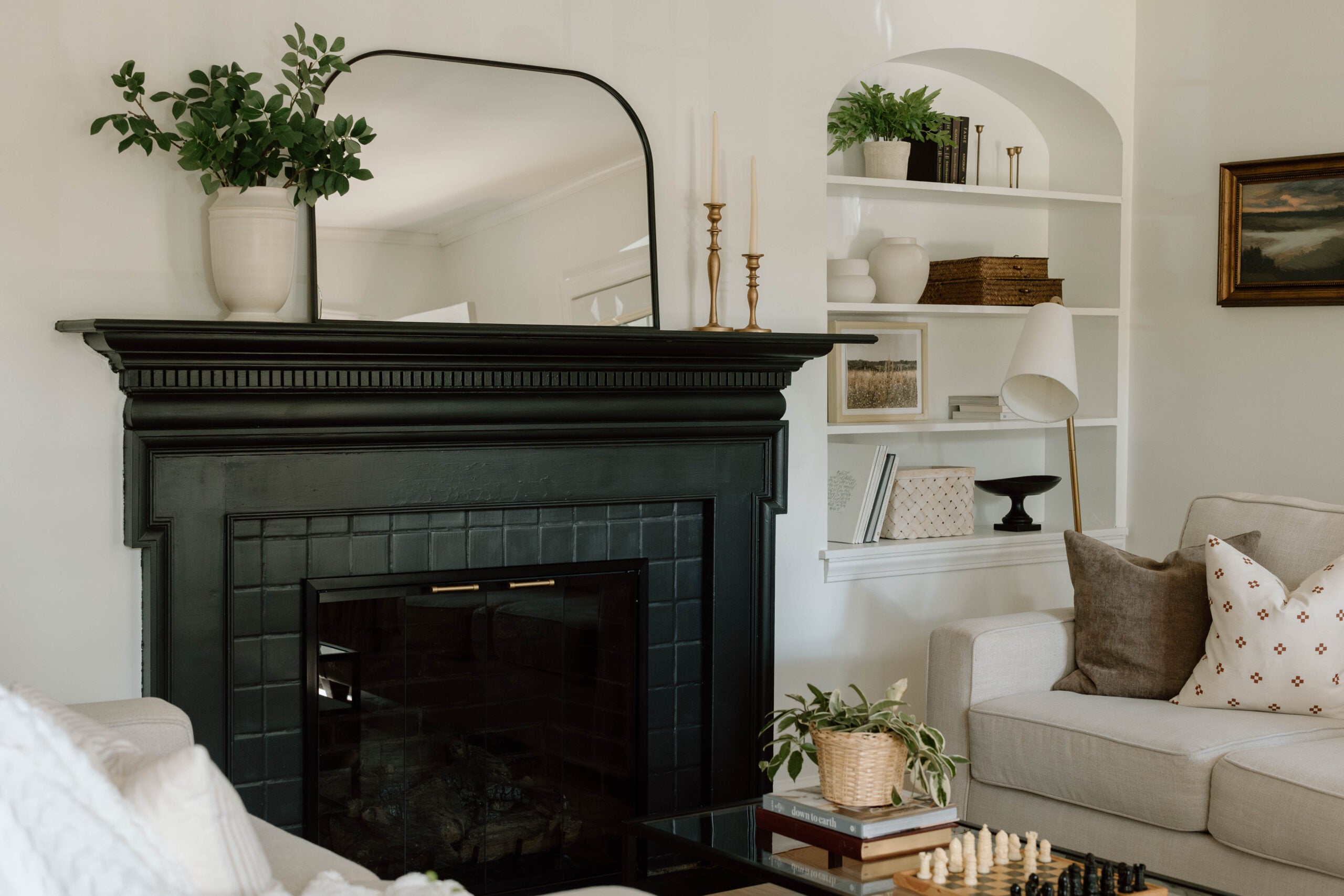
A useful comparison: open two product pages and compare the stated frame dimensions, available fit and door configuration. Ask for a photo of the open doors if that view is missing.
04 · Finish and handles
Match your room, not just your screen.
Choose contrast or a quiet match
A dark finish can define a light surround or blend into a dark opening. Bronze or metallic finishes make the frame more noticeable. Compare the door with nearby hardware, lighting and the mantel.
Check the actual option and price
The current product options show available finishes, handles and any added charge. Ask about a sample before ordering if the color match is important; sample availability varies. Photos and screens cannot show an exact color match.
05 · Glass and spark protection
Choose the view. Confirm how it is used.
Clear glass keeps the firebox visible; a tint changes how it looks when the fire is off. Glass type and color are separate choices. Ceramic glass is not blanket permission to burn with the doors closed—the fireplace and door instructions decide that.
Mesh curtain
A flexible curtain slides aside for access. Check how it attaches, whether it is included, and how it sits behind the selected doors.
Hinged mesh panels
Gate-style mesh swings open. Check the opening space, how the mesh and glass work together, and the options offered for that model.
For example, Hearth Craft Essentials instructions require glass doors open and the mesh screen closed during a fire. Follow the instructions supplied with your exact fireplace and doors. Glass, frames and screens can become hot.
Compare fireplace screens →Before you order
Bring these five things together.
- Your fireplace: construction type, brand/model if present, and clear photos.
- Your opening: original measurements and notes about the hearth, vents or uneven stone.
- Your choices: preferred style, fit, door opening, finish, glass and mesh.
- The complete quote: selected options, any installation parts, delivery terms and current production estimate.
- The final specification: review the dimensions and approved details before production. Custom orders have different return terms from stock items.
Every order is reviewed by our fireplace specialists. If a choice is unclear, leave it open for the consultation instead of guessing.
Manufacturer references
Design Specialties Stiletto: available fit options; Hearth Craft Ardmore: bi-fold example; Hearth Craft Essentials: glass and mesh use. These are model-specific examples, not specifications for every door.