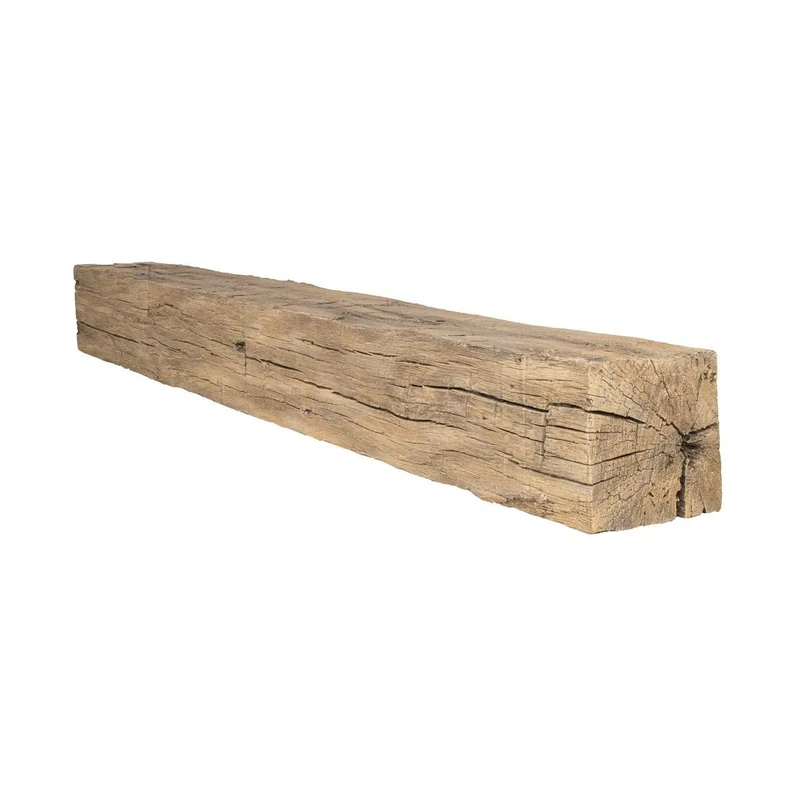
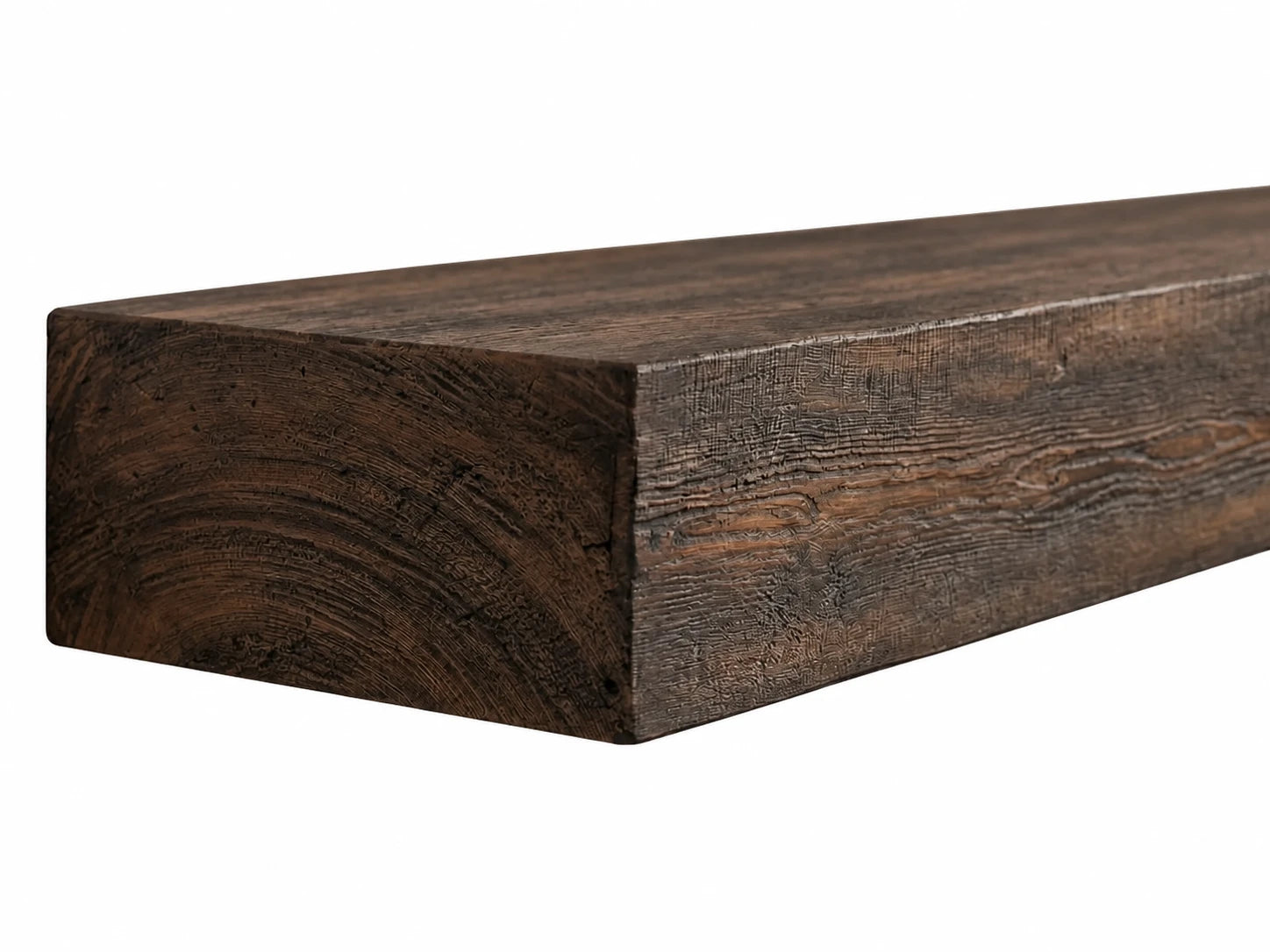

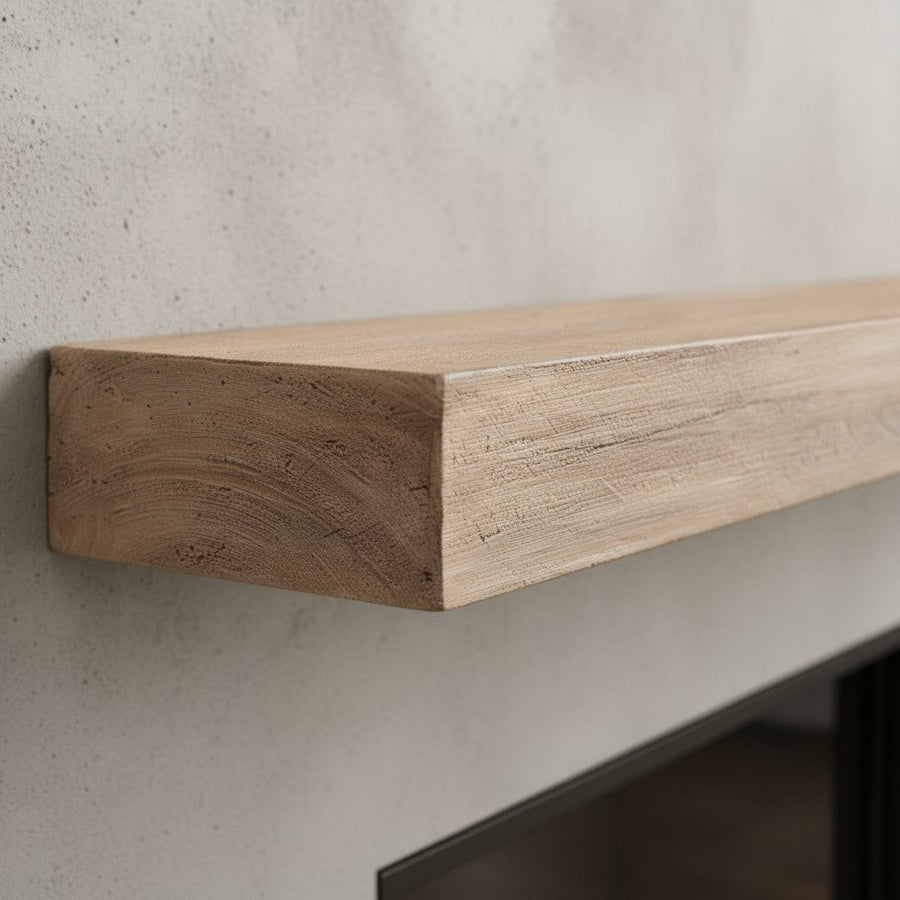
Flat Sawn Concrete Mantel
Non-combustible concrete
From $1,199
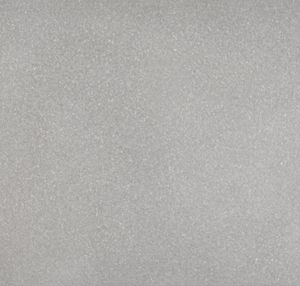
Shown in Pale Honey


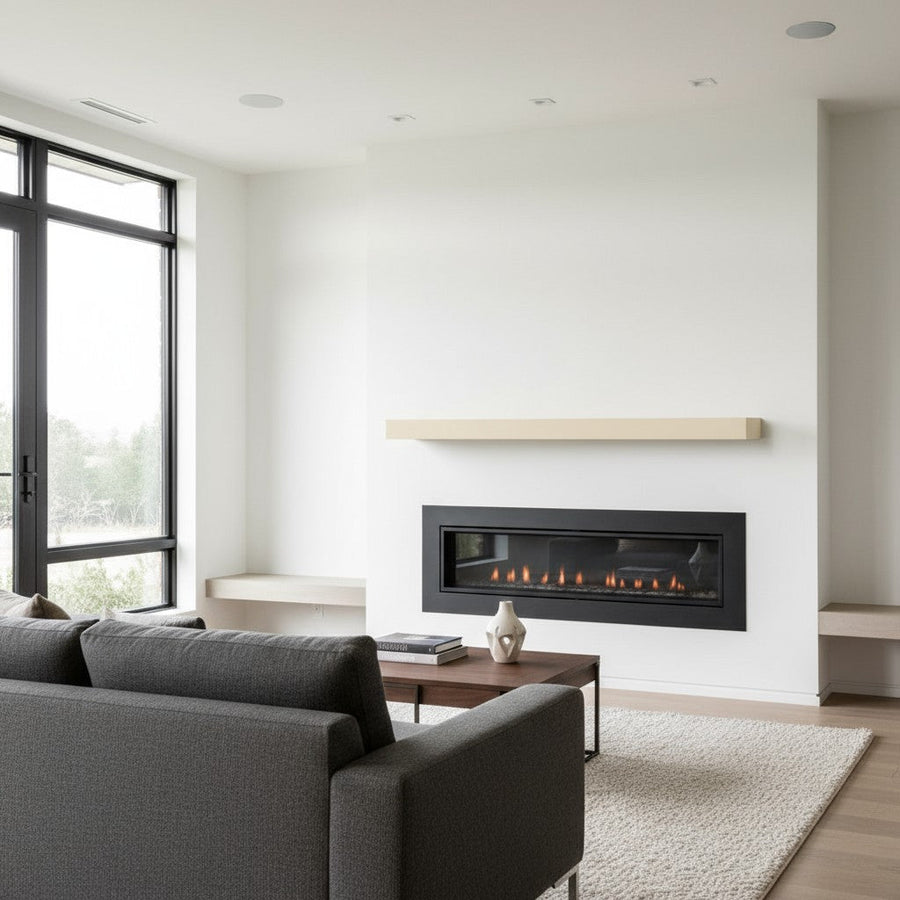
Find a concrete, steel or glass mantel for your fireplace. Choose a standard size or have one made to fit.

Pick a style, then tap a color to see the finish.
Shown in Pale Honey

Lexington Hearth
0:14
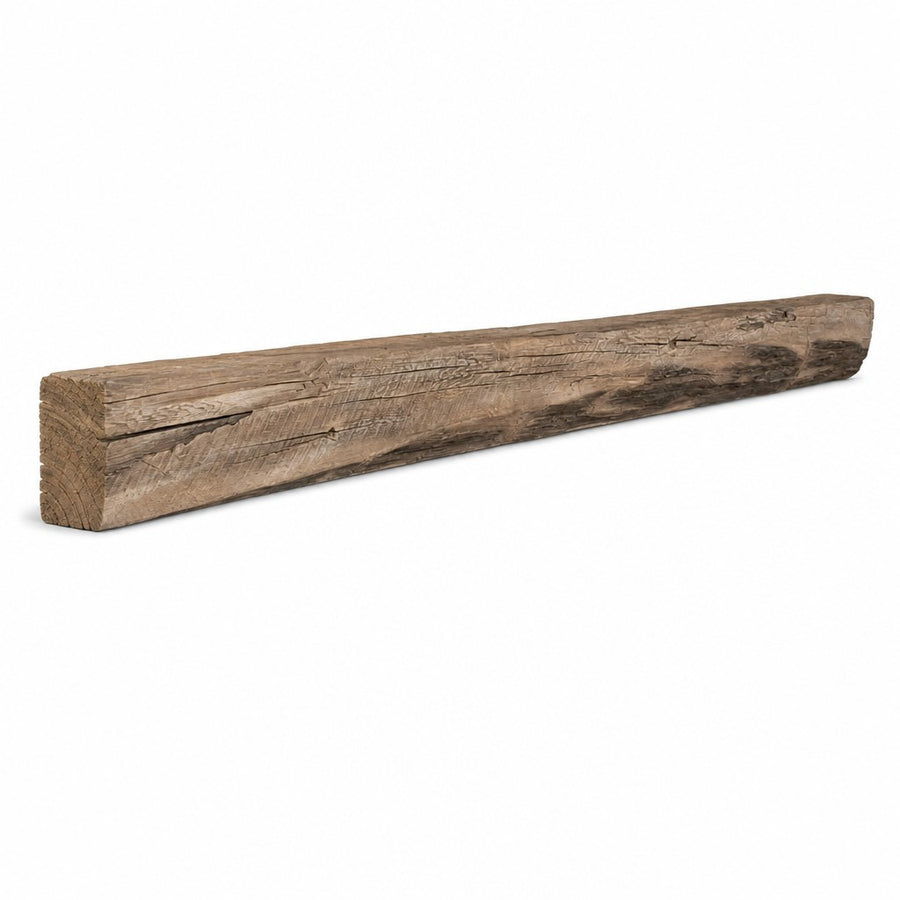
Shown in Pale Honey
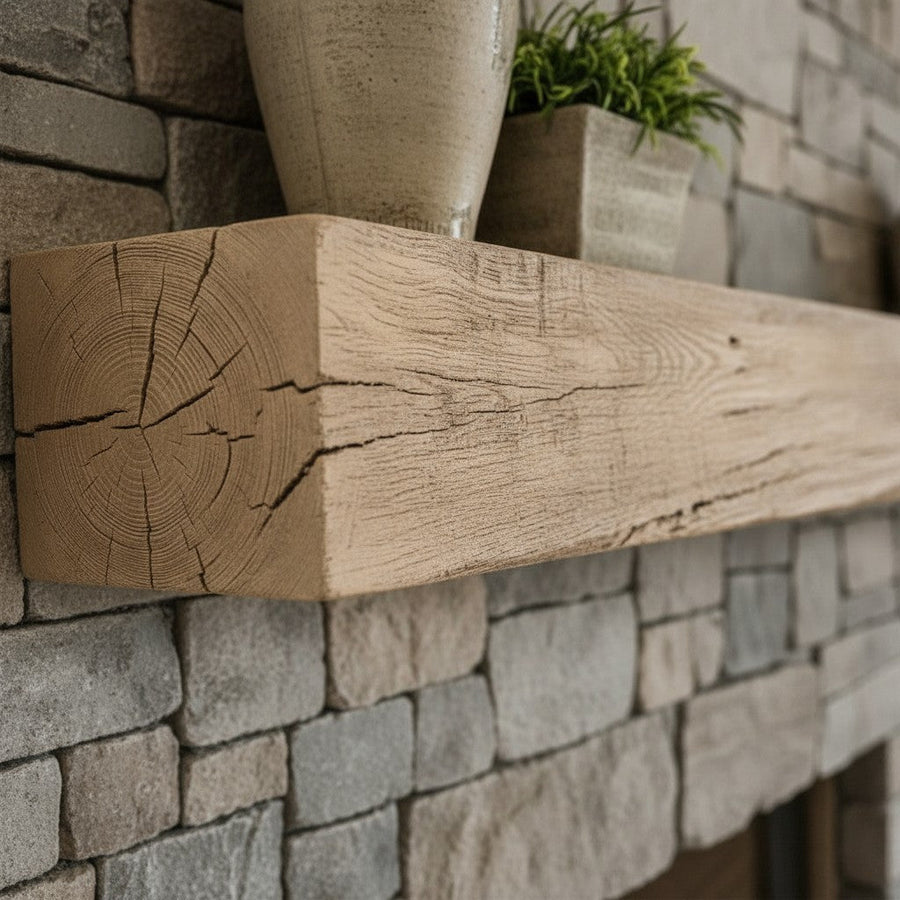
Shown in Pale Honey
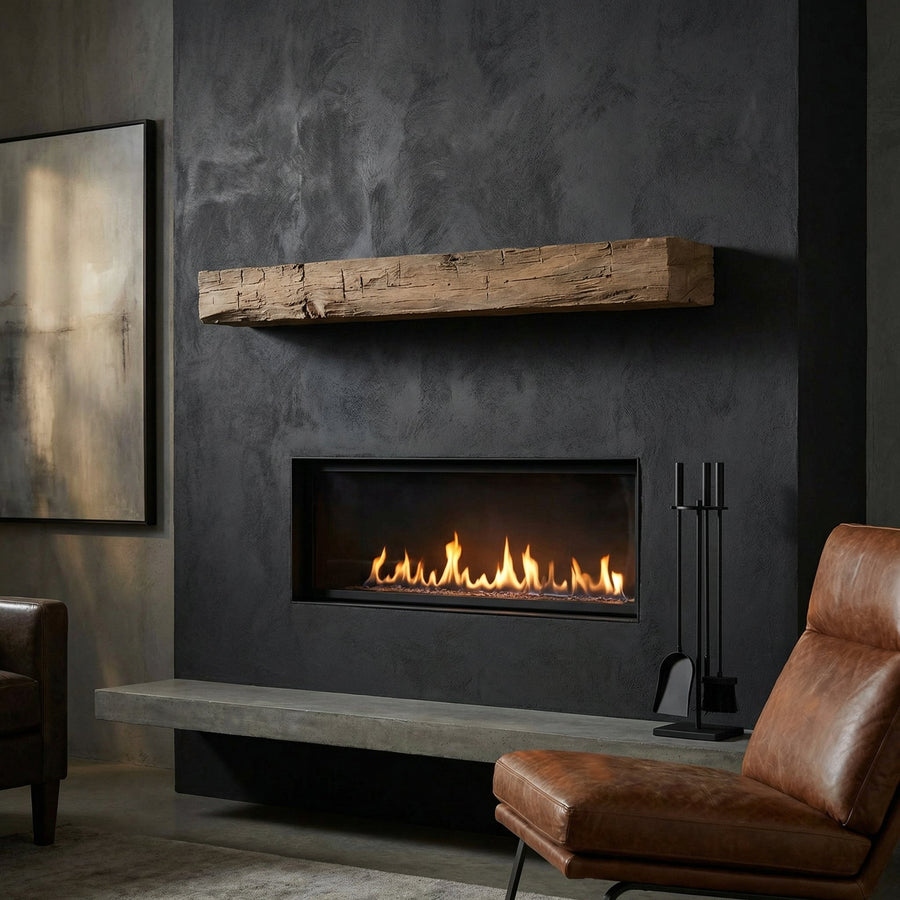
Shown in Pale Honey
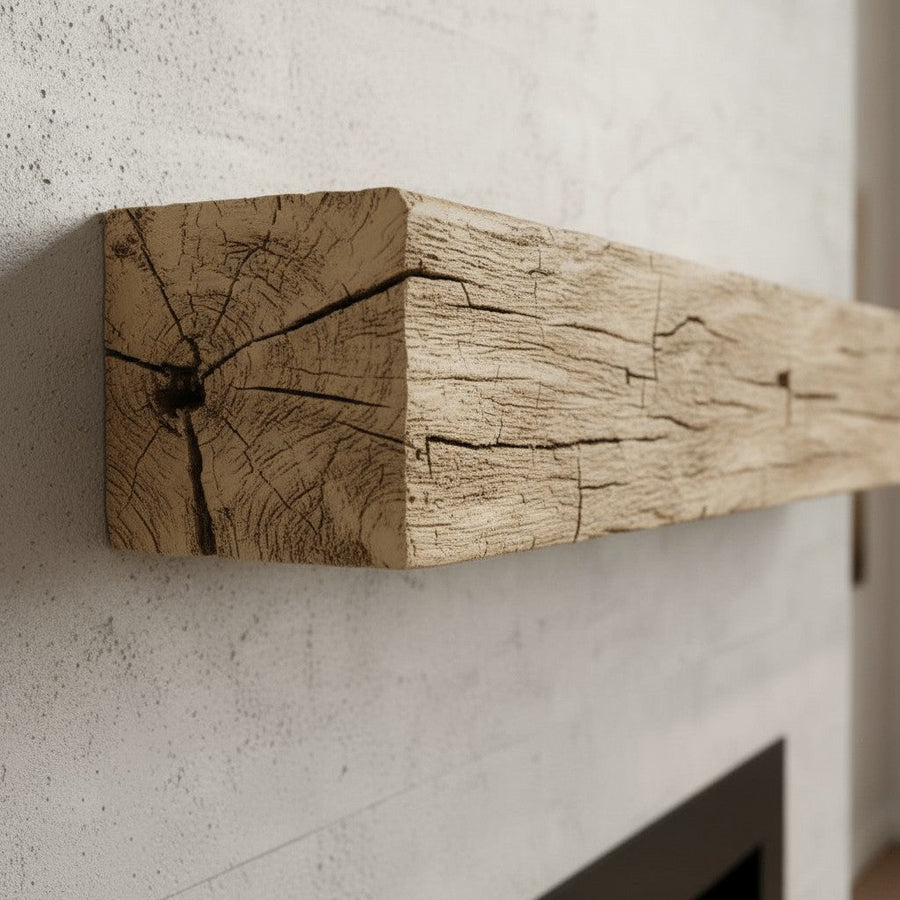
Shown in Pale Honey
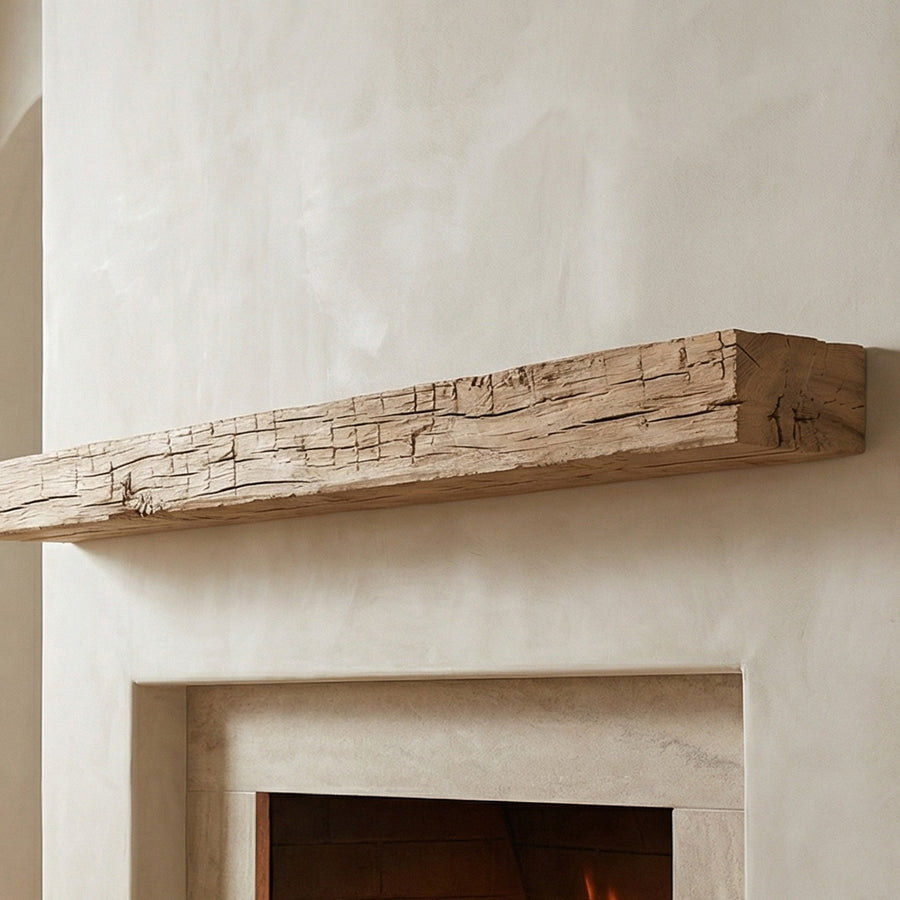
Shown in Pale Honey
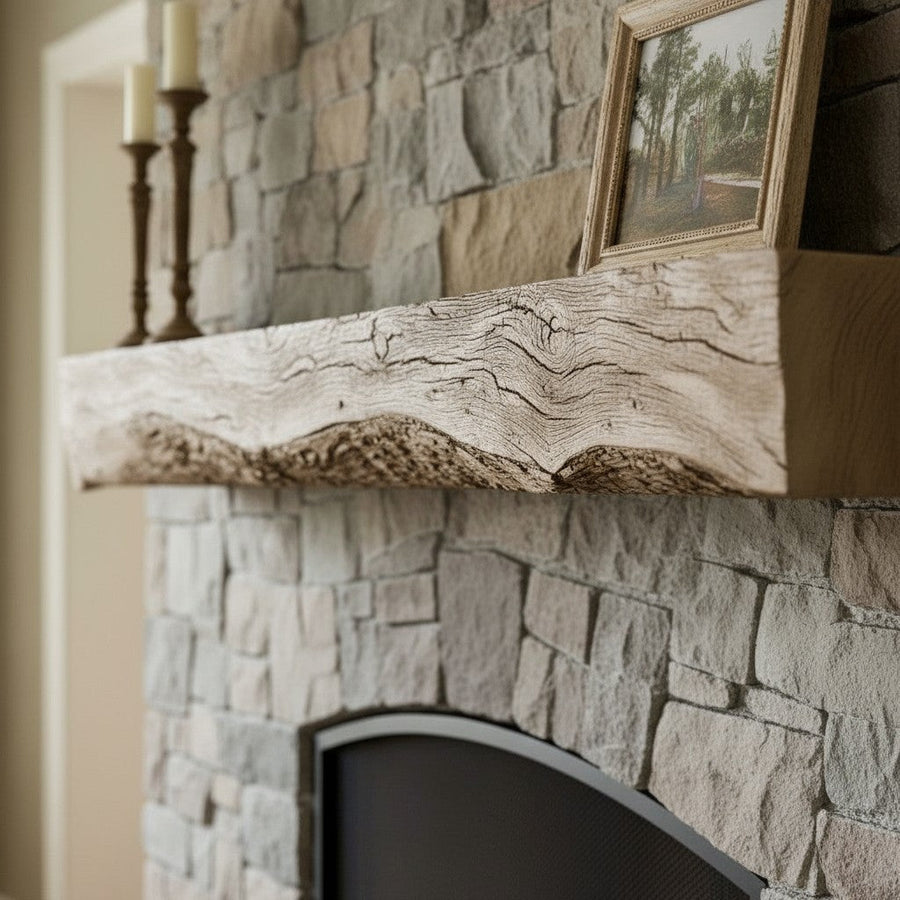
Shown in Pale Honey
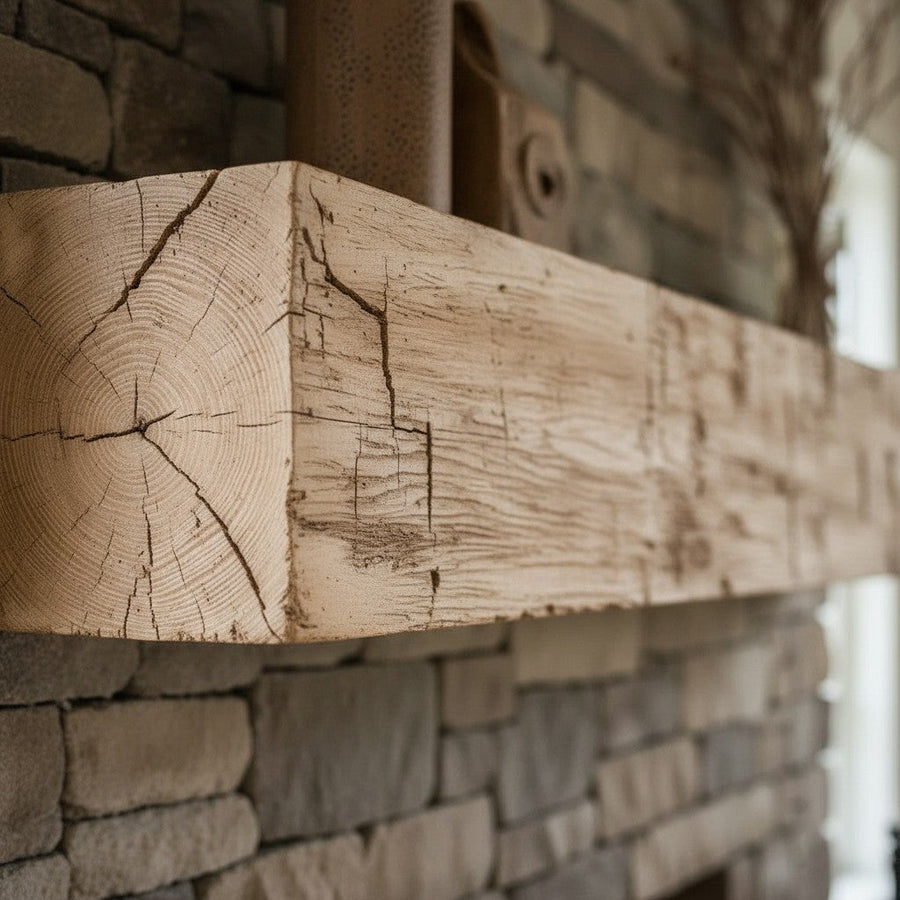
Shown in Pale Honey
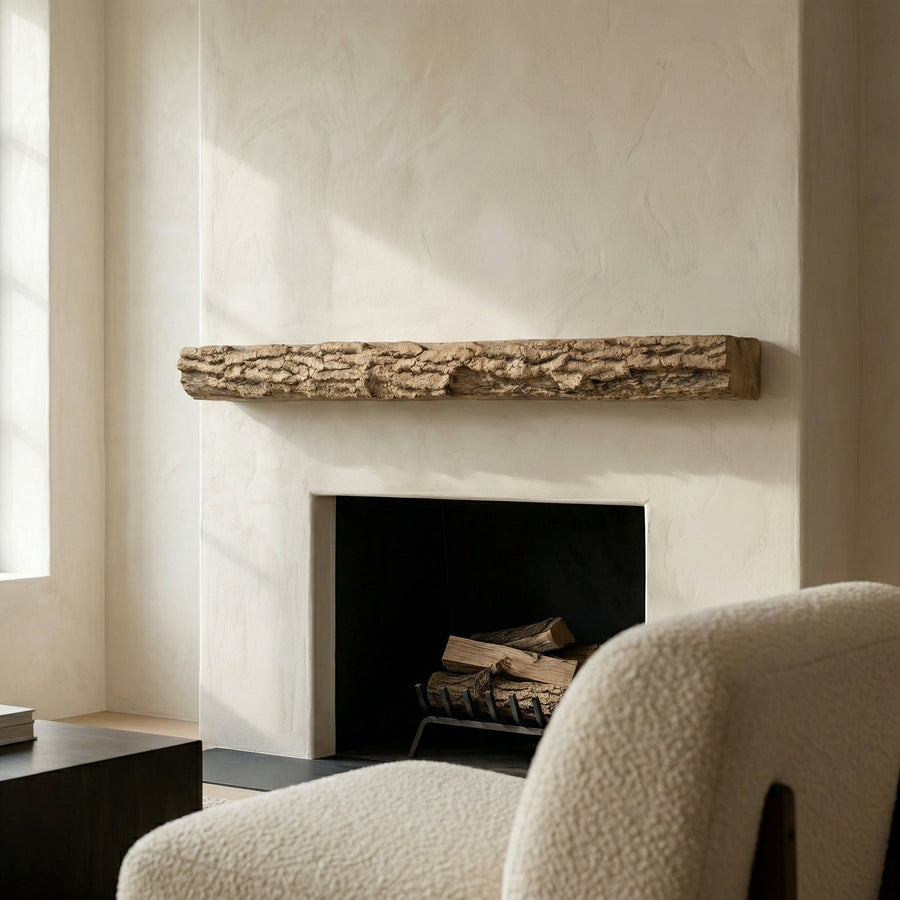
Shown in Pale Honey
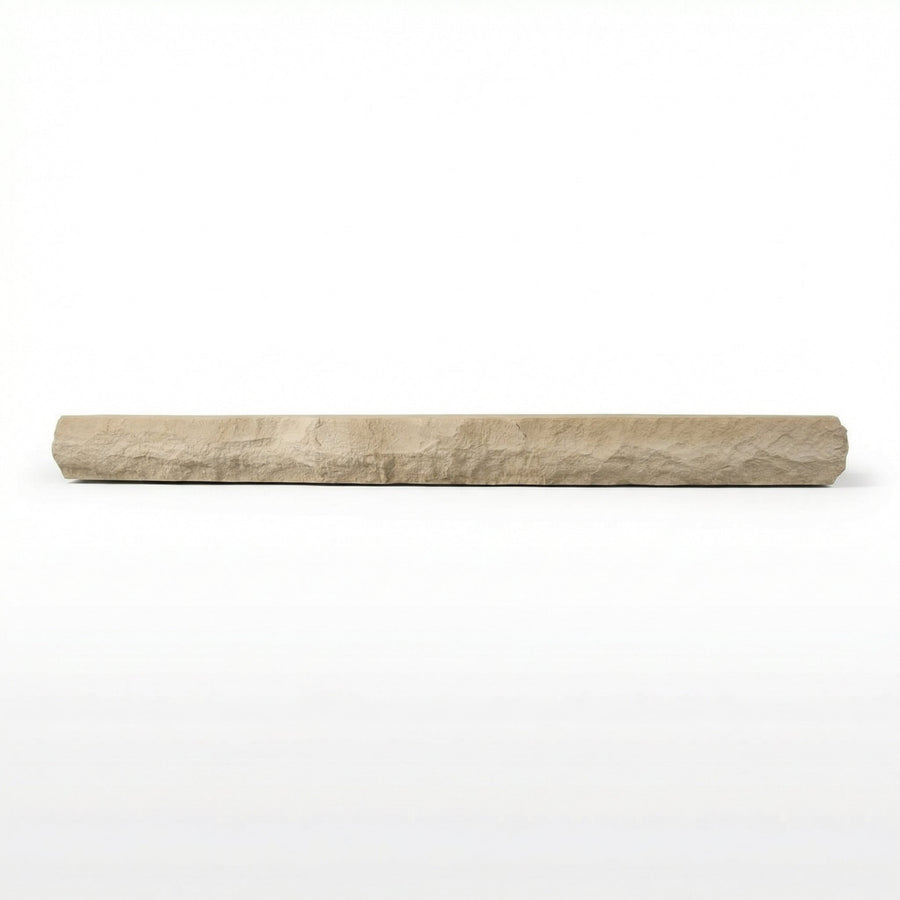
Shown in Turfway Tan


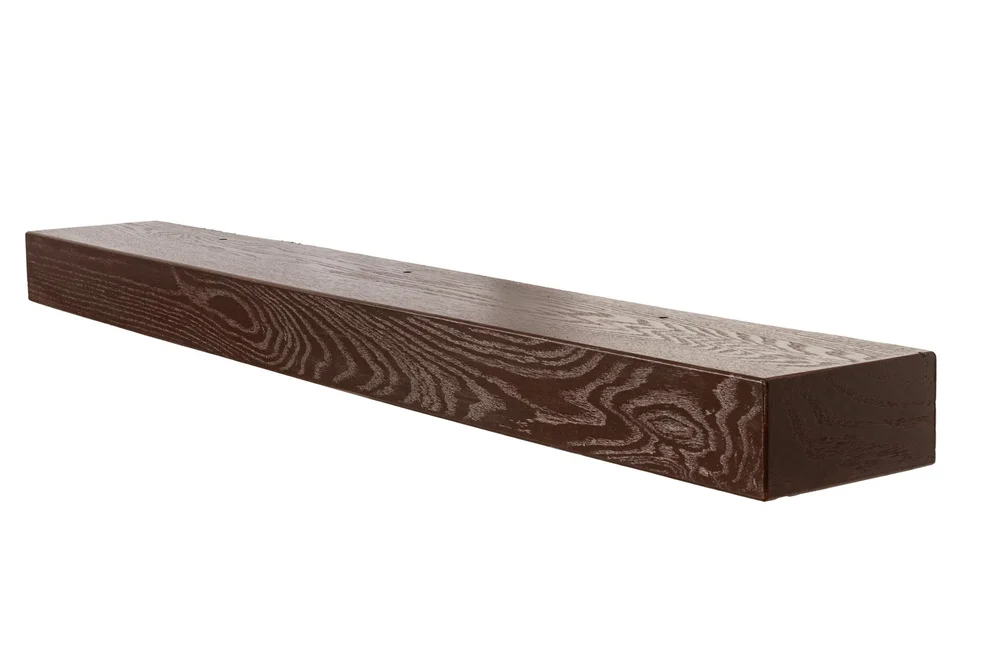
Shown in Mahogany



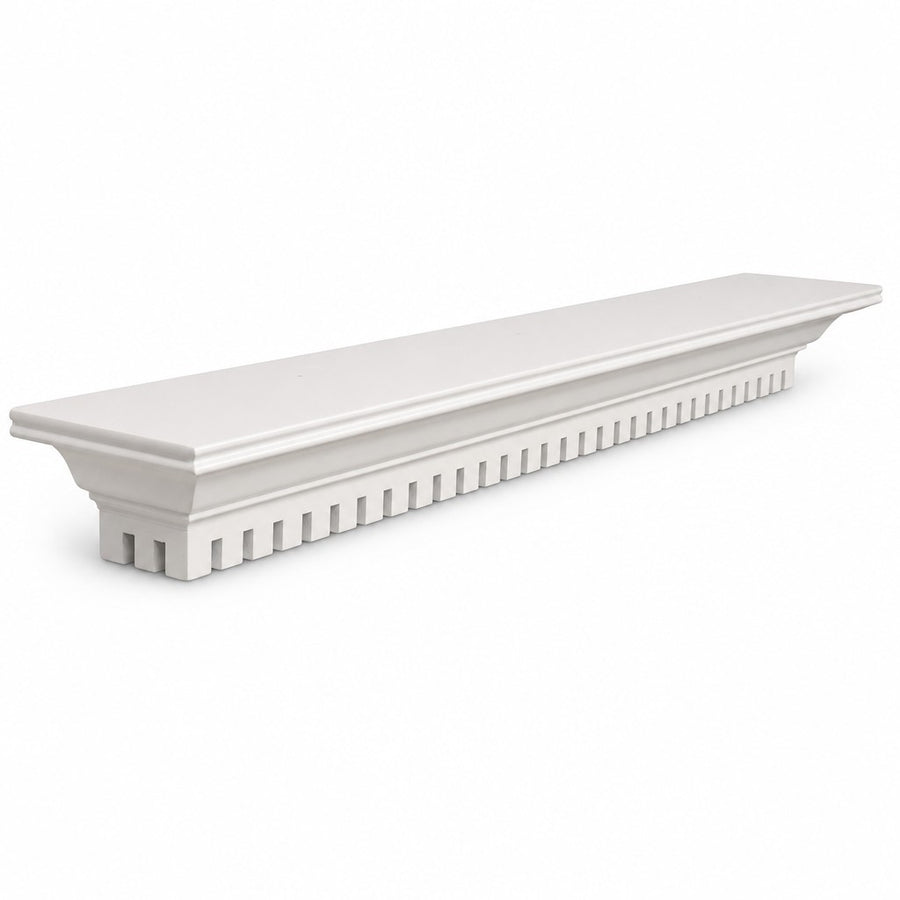
Shown in Luna
Shown in Sahara Sand


Shown in Pale Honey
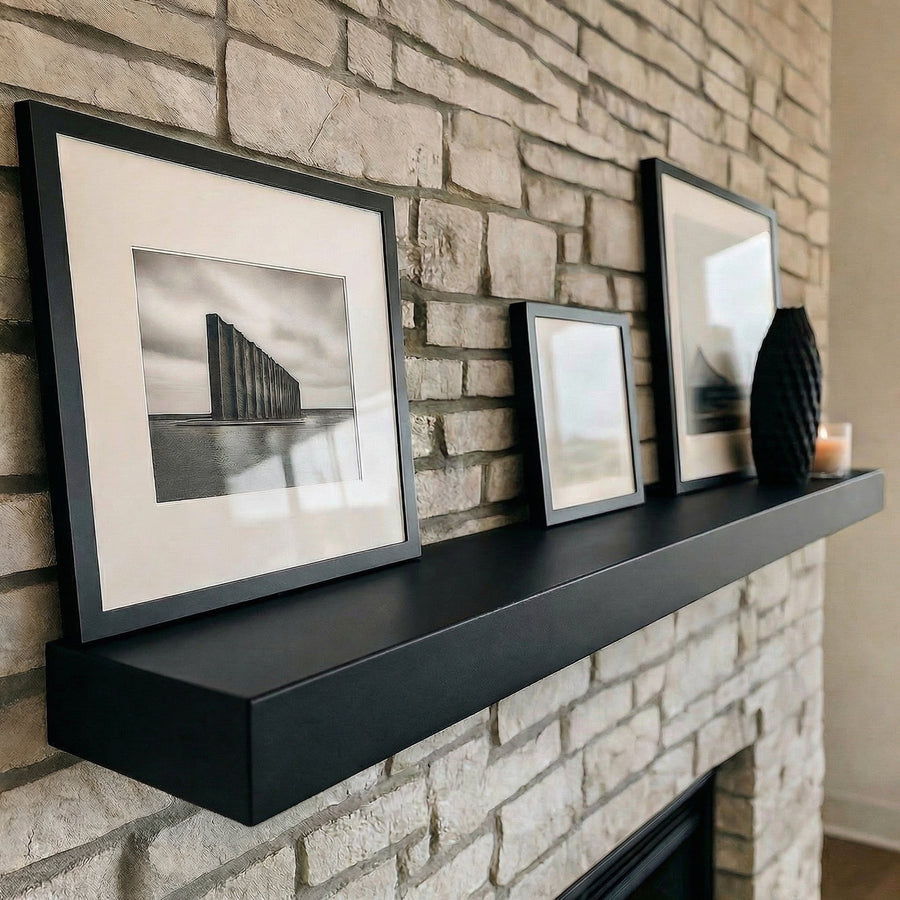
Choose how to order your mantel.
Choose your dimensions and finish.
Ships in 2–3 weeks

Filmed at Design Specialties
0:18
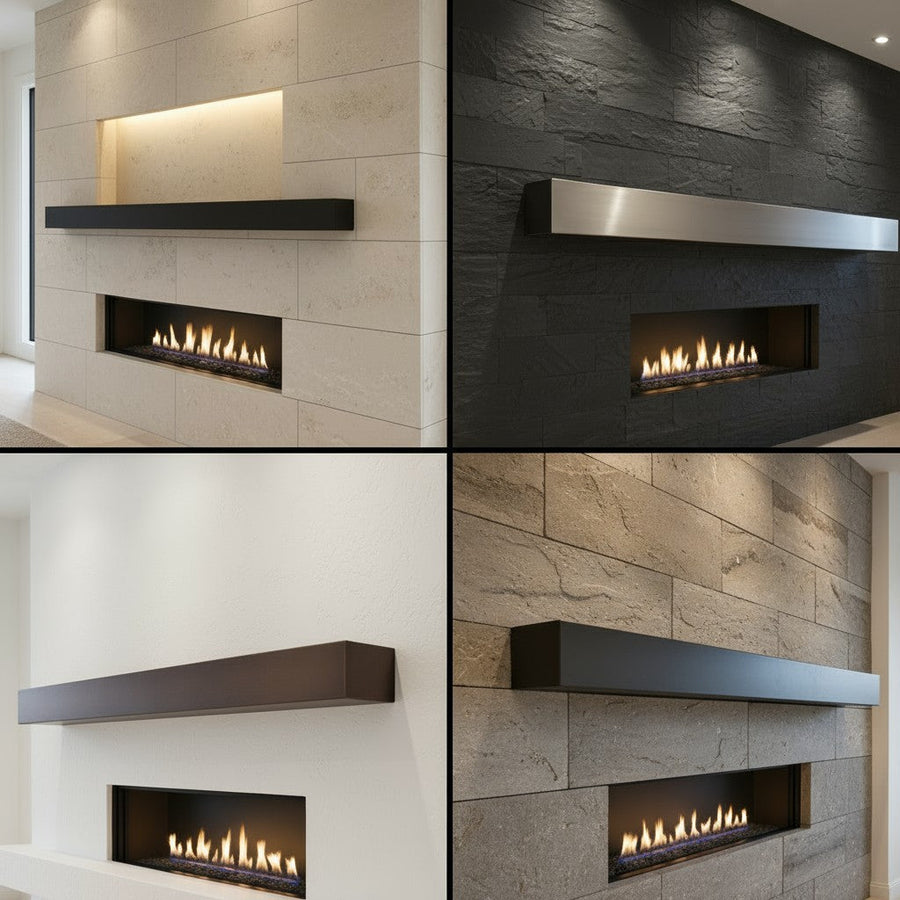
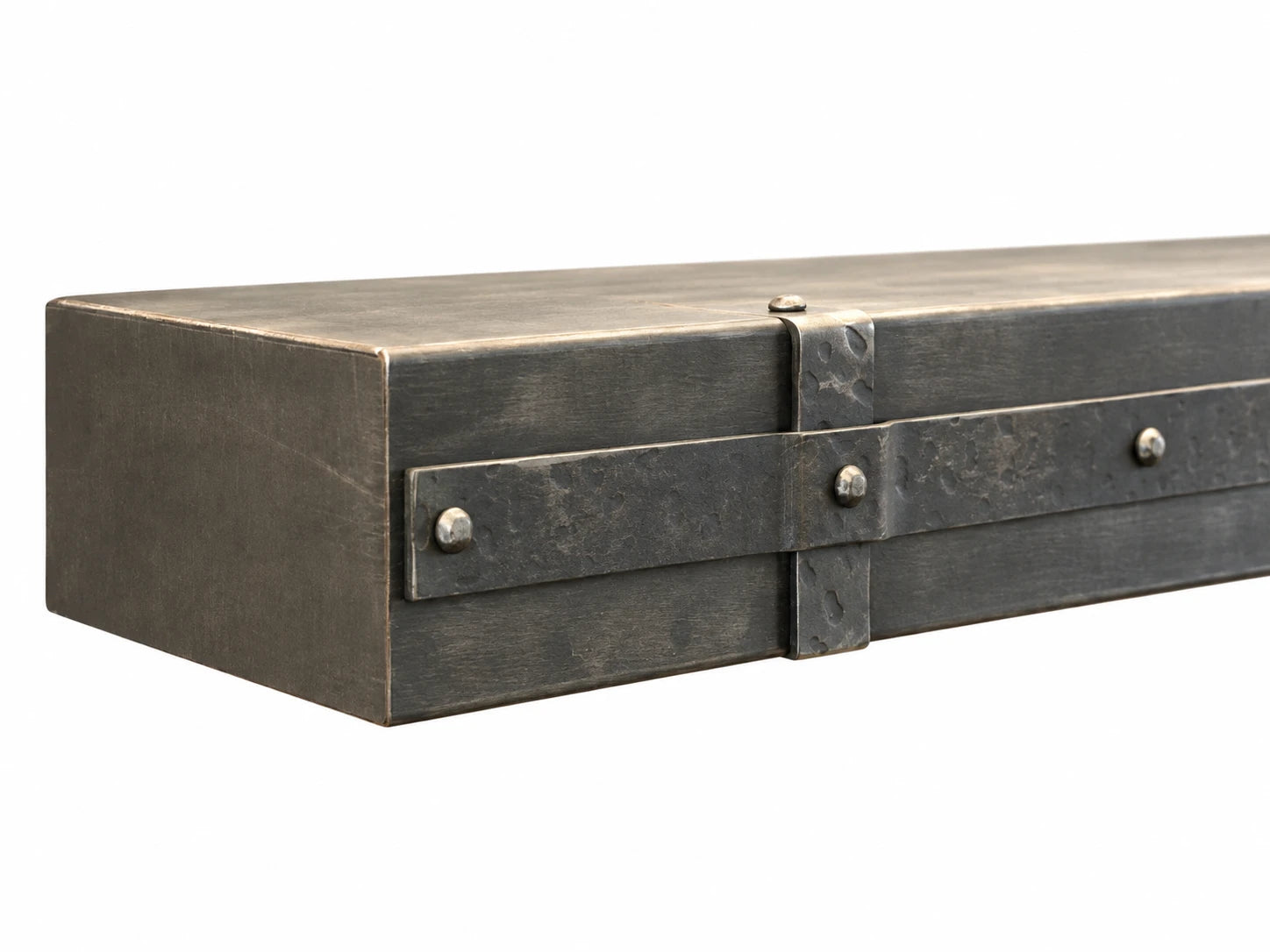
A steel mantel made for your fireplace.
Choose your dimensions and finish.
Ships in 2–3 weeks


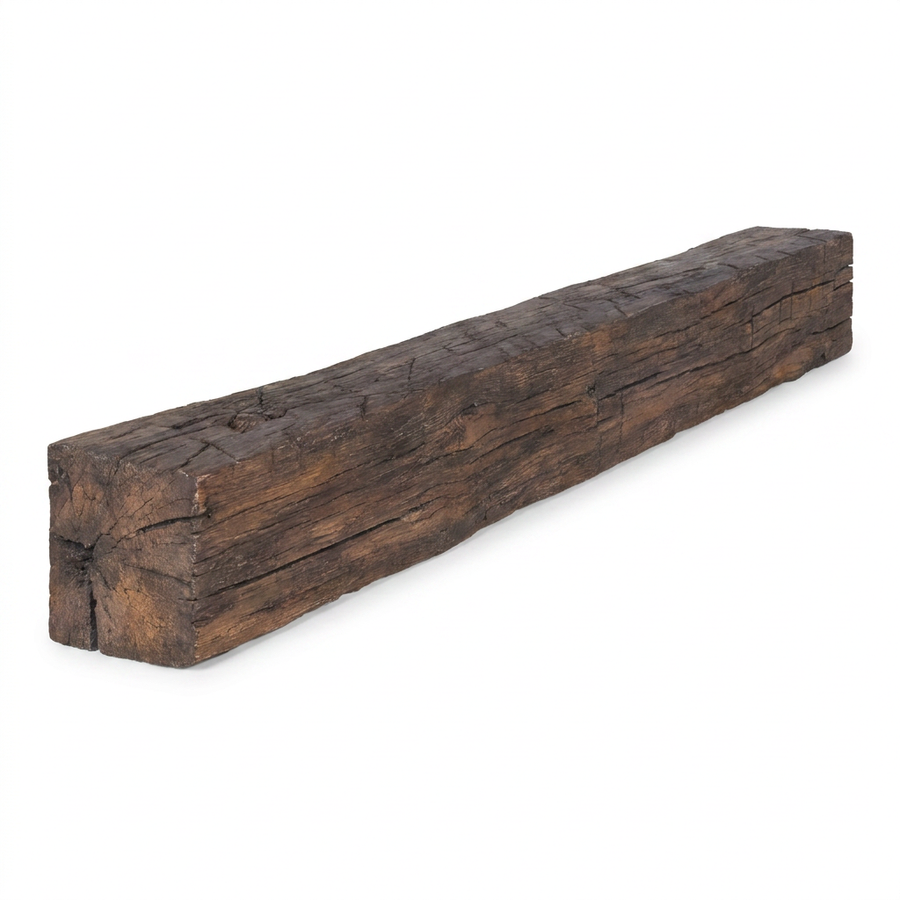
Showing 26 mantel styles
Buying guide
Choose the look you love in a non-combustible mantel: a textured concrete beam, a clean steel shelf or a glass profile. Compare each model’s materials, dimensions and finishes to find the right fit for your fireplace.
Lexington Hearth’s Burncrete mantels capture the grain and character of timber in a non-combustible casting. Explore Lexington styles and finishes, or browse steel mantel shelves for a more streamlined look.
Non-combustible material does not remove installation requirements. Follow the instructions for your fireplace and selected mantel to confirm clearances and mounting. Our team can help you find the relevant product information.
Good to know
Measure the fireplace opening and the wall space on either side. A 60-inch shelf centered over a 48-inch opening leaves 6 inches on each side. That’s a way to picture the proportions, not an installation rule.
Mark the shelf’s outline on the wall with painter’s tape before choosing a length. Include nearby cabinets, windows and wall corners.
Depth is how far the shelf projects from the finished wall. Height is the thickness you see from the front. Check both: two 60-inch mantels can look very different once installed.
Measure anything you want to display, then check the fireplace’s clearance diagram for your chosen shelf depth. A deeper shelf can require a different mounting height.
There isn’t one distance that works for every fireplace. Find the mantel-clearance diagram in your fireplace’s installation manual. Match the shelf depth and material, and measure from the point shown in the diagram—not automatically from the floor or the top of the glass. The mantel’s own mounting instructions also apply.
Can’t find the diagram? Send us your fireplace make and model, a photo and the mantel you’re considering. We’ll help you find the right requirements.
The important part is what the bracket fastens into. Drywall or decorative stone facing alone isn’t enough. Your installer needs suitable framing or solid masonry and fasteners matched to that wall.
Plan for the weight, too: a 60-inch Lexington Grist Mill is about 69 lb before you add any decorations. Lexington’s supplied installation guide covers wood framing; brick, stone and other wall types need the appropriate mounting plan.
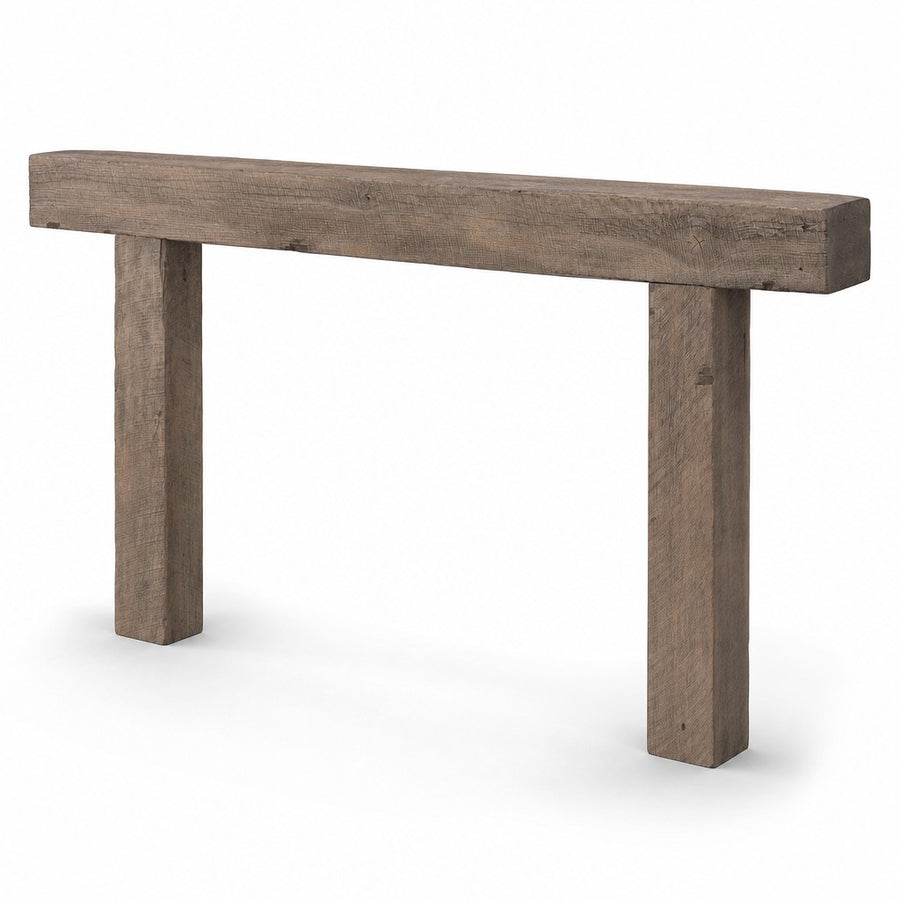
For the texture of an old timber beam, start with cast concrete styles such as Lexington Grist Mill: the grain, knots and saw marks are part of the casting. Steel gives you a metal profile with painted or hand-finished surfaces. Glass is a good starting point if you want the shelf to look less prominent.
Compare the front height and depth as well as the material. Those dimensions make a big difference to how substantial the mantel looks.
Custom options depend on the model. Selected Lexington cast mantels can be ordered in a shorter length, but their depth, height and shape are fixed by the mold. For a shallower shelf, choose a different profile.
Some longer designs use extensions with visible joins or decorative brackets. Send us your desired length and depth before ordering so we can confirm how your chosen model would be made.
Yes—a properly sized and positioned non-combustible mantel can help protect a TV by acting as a heat deflector. It redirects rising heat out into the room, helping reduce the heat reaching the screen above.
The key is choosing the right shelf depth and mounting height for your fireplace. Our specialists can help you plan both. Your installer should follow the fireplace’s clearances and confirm that the temperature at the TV stays within its manufacturer’s limits.
Compare a physical finish sample beside your flooring or cabinet finish, in the room where the mantel will go. A phone or computer screen can make the same brown look warmer, cooler or darker.
For a custom Lexington color, a flooring offcut, paint chip or other physical sample is the best reference. Hand-painted finishes have natural variation, so aim for a finish that works with the room rather than a perfect copy of a website photo.