$125 OFFPREFAB
 CUSTOMIZE →
DESIGN SPECIALTIES
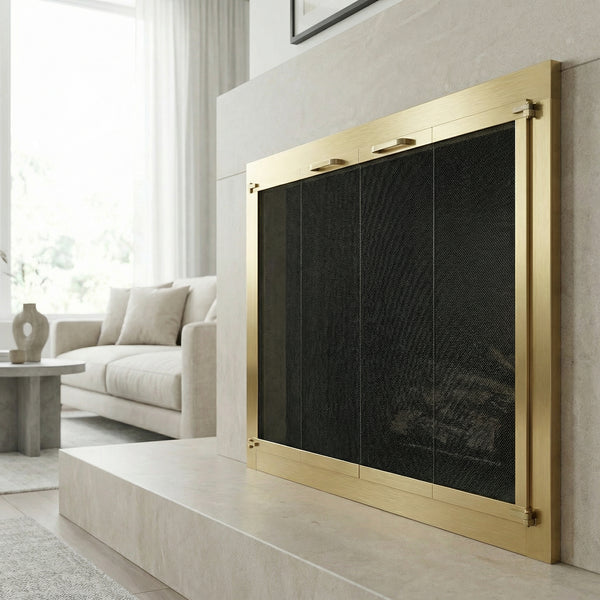
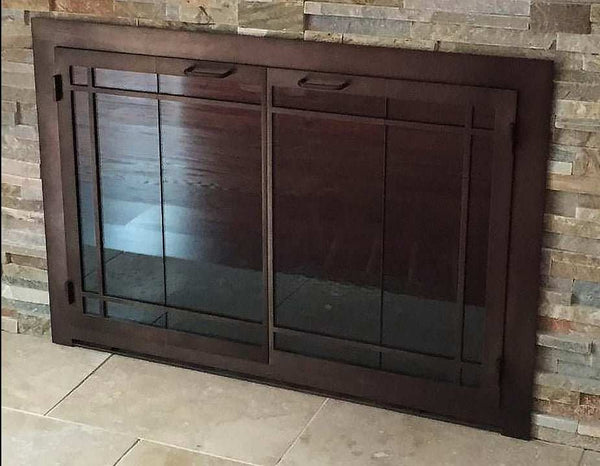
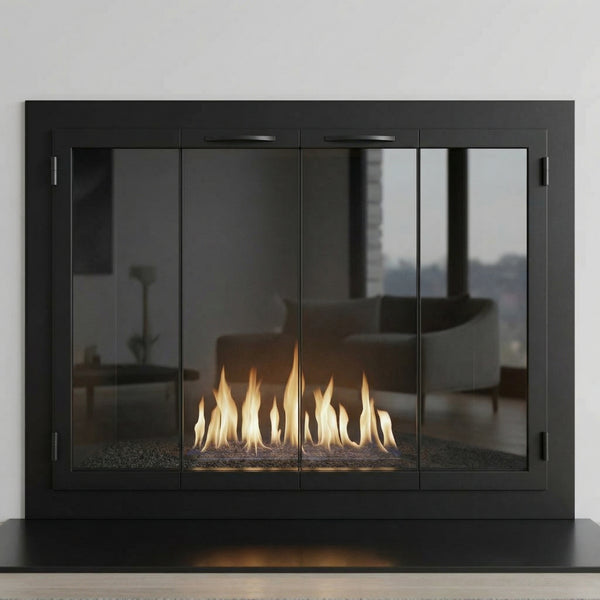
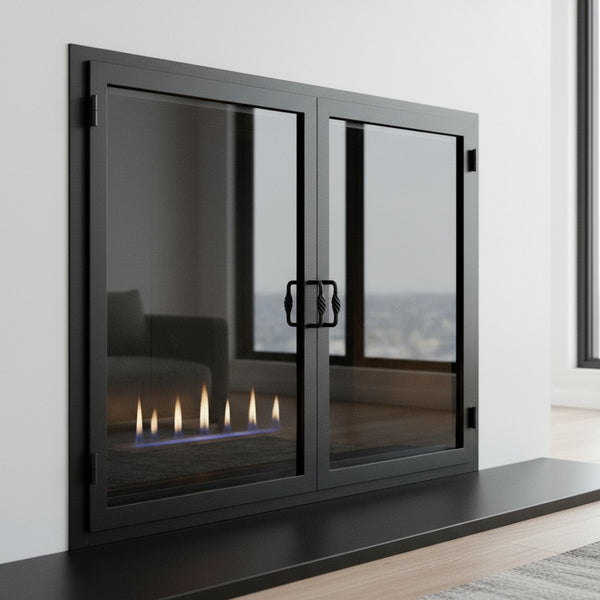
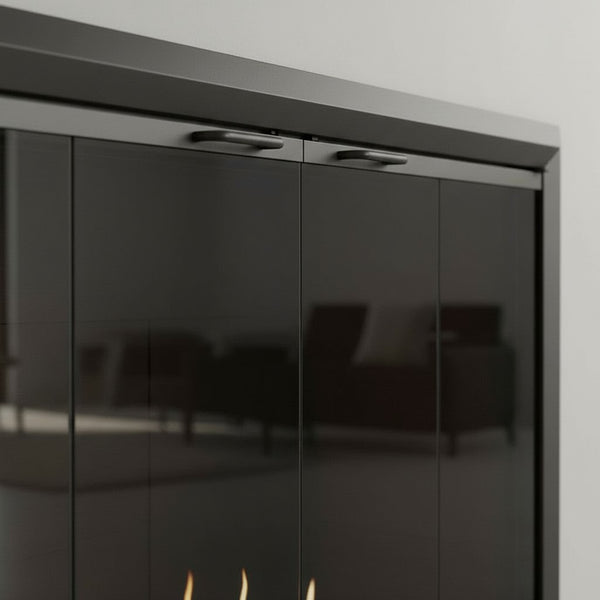
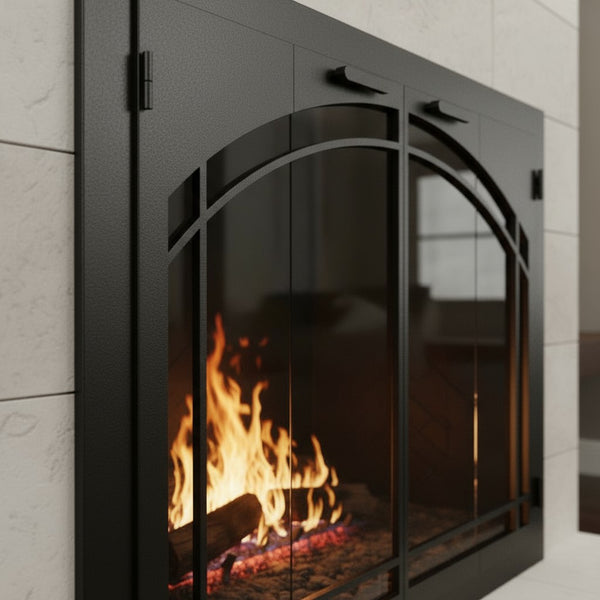
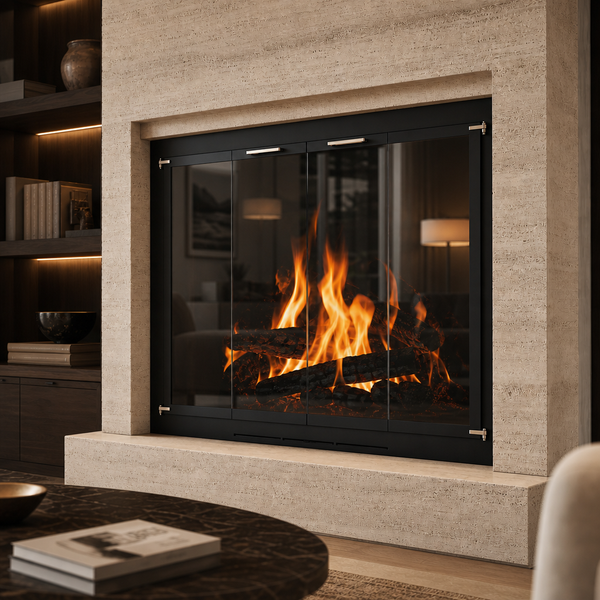
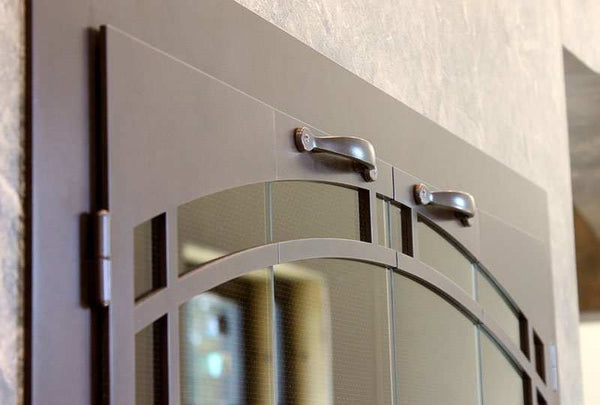
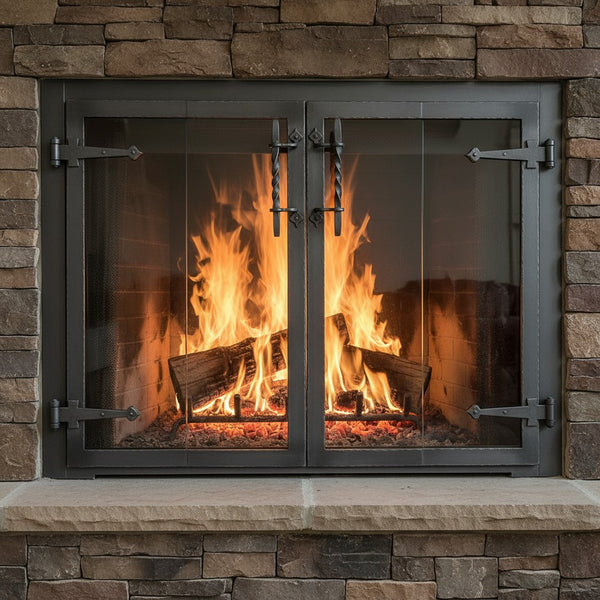
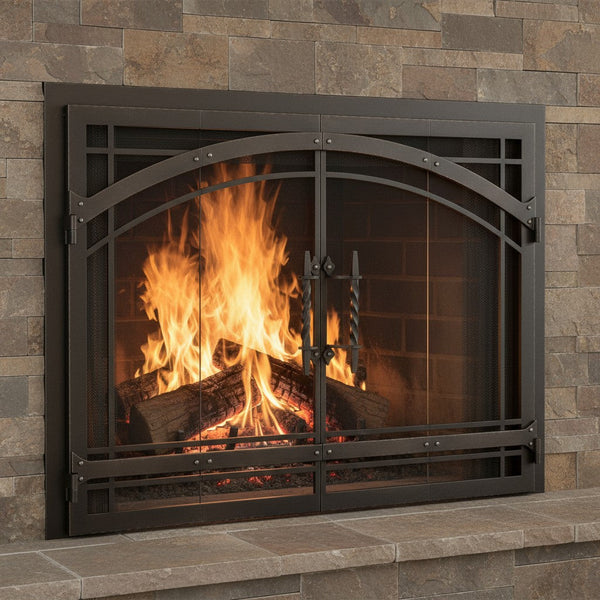
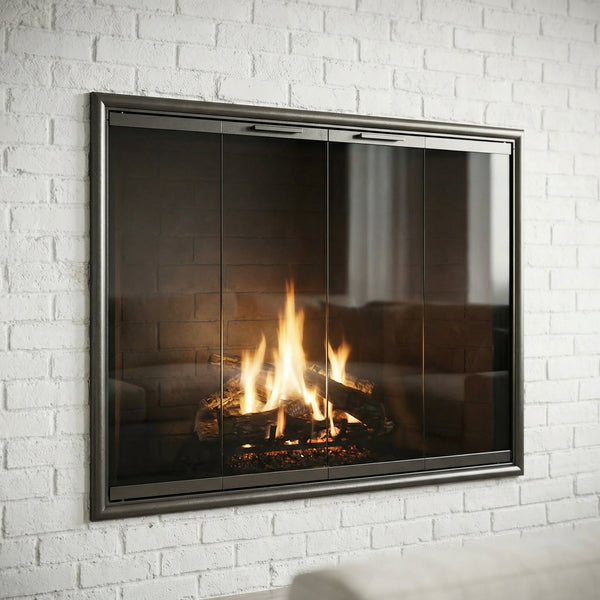
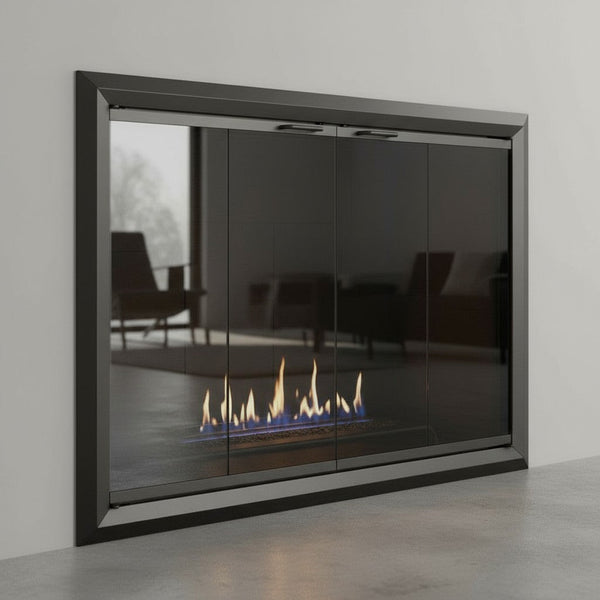
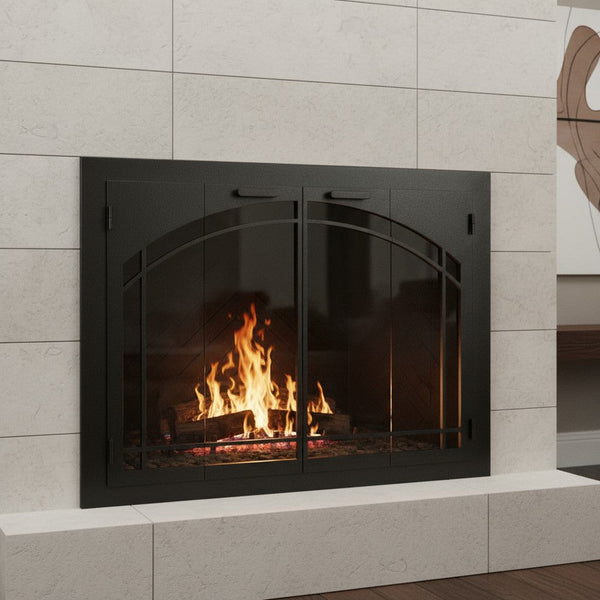
Rainbow Fireplace Glass Doors | Custom Prefab Fit
From$595
$720
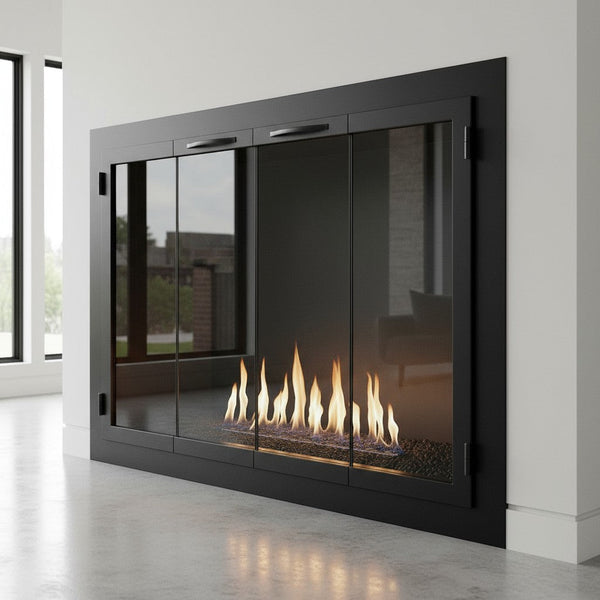
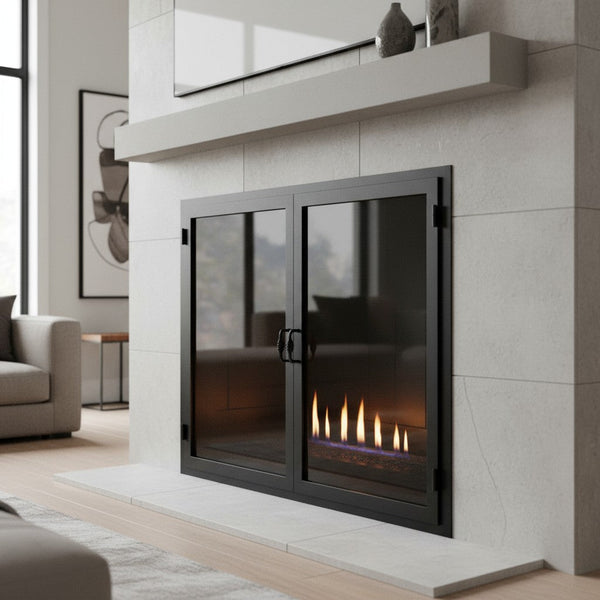
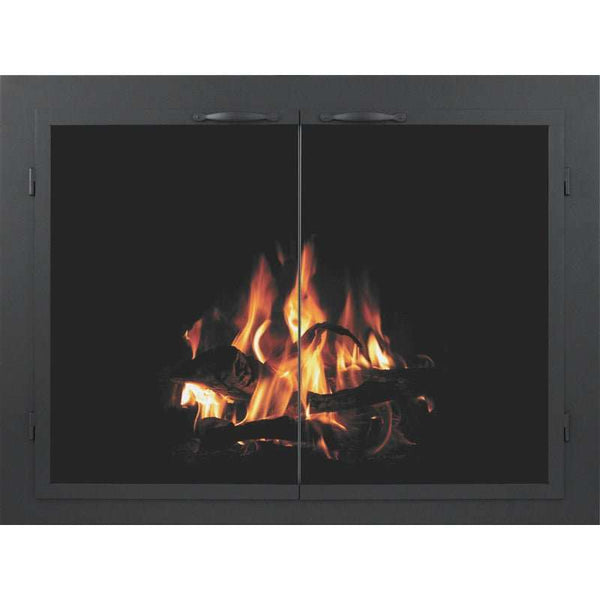
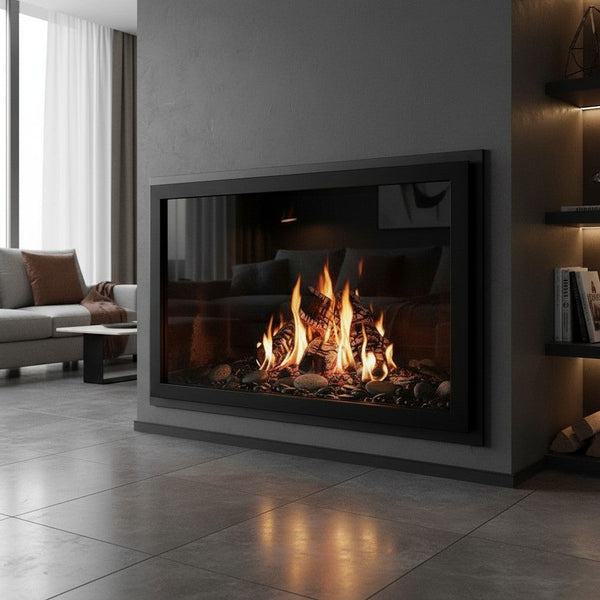
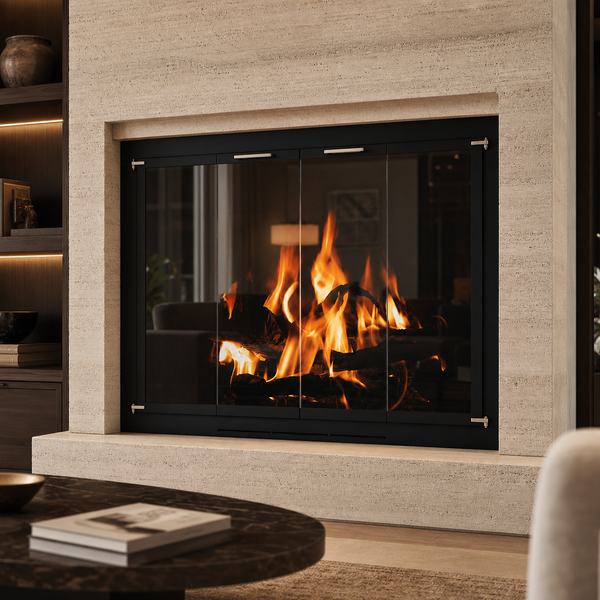
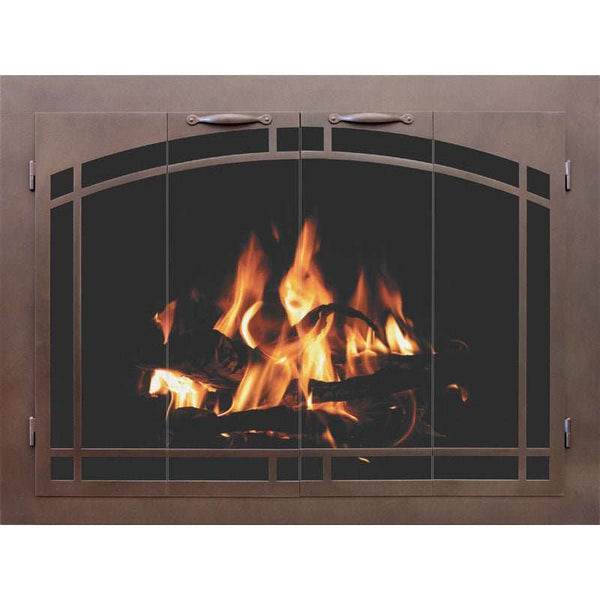
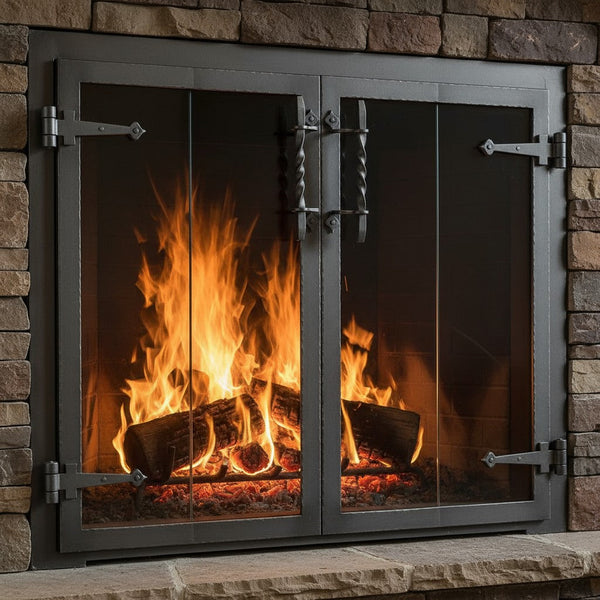
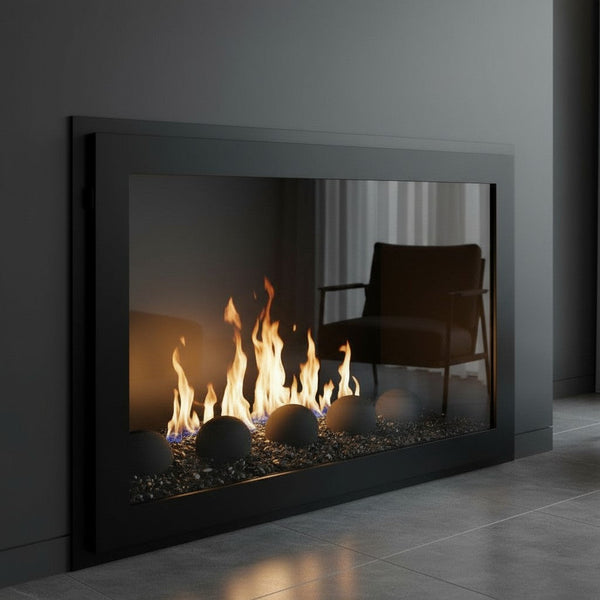
Doors engineered specifically for prefabricated metal fireboxes — precise measurements, expert fit review on every order.
CUSTOMIZE →
 CUSTOMIZE →
 CUSTOMIZE →
 CUSTOMIZE →
 CUSTOMIZE →
 CUSTOMIZE →
 CUSTOMIZE →
 CUSTOMIZE →
 CUSTOMIZE →
 CUSTOMIZE →
 CUSTOMIZE →
 CUSTOMIZE →
 CUSTOMIZE →
 CUSTOMIZE →
 CUSTOMIZE →
 CUSTOMIZE →
 CUSTOMIZE →
 CUSTOMIZE →
 CUSTOMIZE →
 CUSTOMIZE →
 CUSTOMIZE →
 CUSTOMIZE →
 CUSTOMIZE →
 CUSTOMIZE →
Looks like real wood · Non-combustible · Made in USA
Not sure where to start? These quick guides answer the most common questions.
The most important distinction for choosing the right door.
2 min readFind your model number and get the exact dimensions.
3 min readCompatibility, sizing, finishes, and installation tips.
10 min readFamily-owned in Laguna Hills, California since 2014. Every custom order gets a real human fit review before production — so if something's off, we catch it. Questions before you buy? That's literally what we're here for.

Daniel Z.
Senior Fireplace Specialist
10+ Years Experience"Send me a photo of your fireplace. I'll tell you exactly what fits and why."

Bea S.
Product Specialist — Masonry & Prefab
10+ Years Experience"Not sure if yours is masonry or prefab? I can tell in about 30 seconds on a call."

Robert S.
Fireplace Specialist & Technician
10+ Years Experience"If your fireplace is unusual — arched, oversized, odd brick — that's my table."

Kendall S.
Order Concierge — Shipping & Warranty
Support Team"I track your order from production to your doorstep. Anything weird, call me first."
Usually replies within 15 minutes during business hours.
A prefab fireplace — short for "zero-clearance" — is a factory-built metal firebox designed to sit directly against wood framing with no masonry buffer. You will recognize it by the smooth metal sidewalls, the bolted-in refractory brick panels that simulate a masonry interior, and a metal model tag usually found on the top baffle, behind the louver, or along one interior side. Common manufacturers include Majestic, Heatilator, Superior, Temco, Lennox Hearth, Marco, Martin, FMI, Vantage Hearth, and Monessen. Each manufacturer builds the frame opening to a precise dimension, which is why zero-clearance doors are not interchangeable across brands.
Masonry fireplaces forgive a sloppy door install — a little gap just means a less efficient seal. Zero-clearance fireplaces do not. Three reasons:
This is why our ZC configurator asks for your fireplace manufacturer and model number up front, and why every ZC order gets reviewed by a specialist before we cut aluminum.
Masonry doors are usually 7-gauge steel. Zero-clearance doors are usually cast or extruded aluminum alloy, for two practical reasons. First, weight — a ZC firebox has a thin metal lintel above the opening that was never engineered to carry 35 pounds of steel frame. Aluminum cuts that load by more than half. Second, thermal behavior — aluminum sheds heat faster, which keeps the mounting tabs and surrounding combustible framing cooler during long burns. Powder-coat finishes applied at 400°F adhere to aluminum just as well as steel, so you do not lose finish options.
We are family-owned, ship nationwide from four American workshops, and every zero-clearance order is reviewed by a human before production. That review catches the single most common mistake in ZC orders: a buyer who measures the opening but skips the model tag, then receives a door that physically will not attach to the firebox. If we cannot confirm your model, we email you before we cut material. Every frame carries a 5-year warranty — see warranty terms.
Design Specialties is our primary ZC manufacturer, and their Brookfield, Legend, Silhouette, and Stiletto lines cover 95% of prefab fireplaces sold in the USA since 1985. Prices for zero-clearance doors typically run $1,100 to $2,800 depending on frame size, finish, and optional draft control.
Zero-clearance doors almost never use masonry anchors. Instead, they either clip into factory receivers built into the firebox face, or they attach with sheet-metal screws into pre-drilled tabs on the prefab's outer trim. Most installs take 20–40 minutes with a screwdriver and no drilling. Because the door is sized to match the firebox rather than the surrounding tile or drywall, there is no overlap adjustment to worry about — what you order is what fits. Printed instructions and a video link ship with every door.
Open the fireplace fully and look with a flashlight. The tag is usually silver or yellow, 2–4 inches long, and stamped with the manufacturer name, model number, and UL listing. Most common locations: along the top baffle, on the left or right inside wall near the floor, or behind the louver grill. A clear phone photo of the tag is all we need. Full instructions are on the measuring guide.
Browse all zero-clearance doors or send us your model tag photo on the contact page — a specialist will confirm the right door within one business day.
Zero-clearance (ZC) means the fireplace is designed to sit directly against wood framing with no masonry buffer. The firebox is a factory-built metal assembly, UL-listed for safe operation without brick. ZC fireplaces are common in homes built since the 1980s and are identified by smooth metal sidewalls and a model tag inside the firebox.
Open the fireplace and look inside with a flashlight. The metal tag is usually on the top baffle, on a side wall near the floor, or behind the louver grill. It will list the manufacturer (Majestic, Heatilator, Superior, etc.) and a model number like BR36 or H36. A clear phone photo of the tag is all we need to match the right door.
No. ZC doors are manufacturer- and model-specific. The wrong door can technically void the firebox's UL safety listing and may not physically mount. Always confirm your fireplace manufacturer and model before ordering — we verify this during the Expert Fit Review on every ZC order.
Two reasons. Weight — the thin metal lintel above a prefab opening was not engineered to carry a heavy steel frame. Thermal behavior — aluminum sheds heat faster, keeping the mounting hardware and surrounding wood framing cooler during long burns. Powder-coat finishes adhere to aluminum just as well as steel.
Zero-clearance doors typically run $1,100 to $2,800 depending on frame size, finish, and optional draft control. The DS Brookfield in Textured Black, our most ordered configuration, is usually in the $1,300–$1,600 range. Premium finishes and the Legend custom-width option add to that.
Majestic (including BR, MBU, and Villa series), Heatilator (E, EL, EC, GR, HST), Superior (BC, BRT, WRT, SBR), Temco, Lennox Hearth, Marco, Martin, FMI, Vantage Hearth, Monessen, and Heat-N-Glo wood-burning models. If your brand is not on the list, send us the model tag photo — most prefab fireplaces can be matched through the DS Legend custom-width frame.
Custom DS Brookfield, Legend, Silhouette, and Stiletto doors ship in 3–4 weeks from order confirmation. Premium finishes occasionally run to 5 weeks. We confirm a firm ship date by email after the Expert Fit Review reviews your model and measurements.
Most ZC doors install in 20–40 minutes with a screwdriver. The door either clips into factory receivers on the firebox face, or it attaches with sheet-metal screws into pre-drilled tabs. No drilling into brick, no anchors. Printed instructions and a video link ship with every door.
Talk with a fireplace specialist — free 15-minute consultation.
Scan this QR code with your phone to place this fireplace door in your space using AR.
Point your phone camera at the code