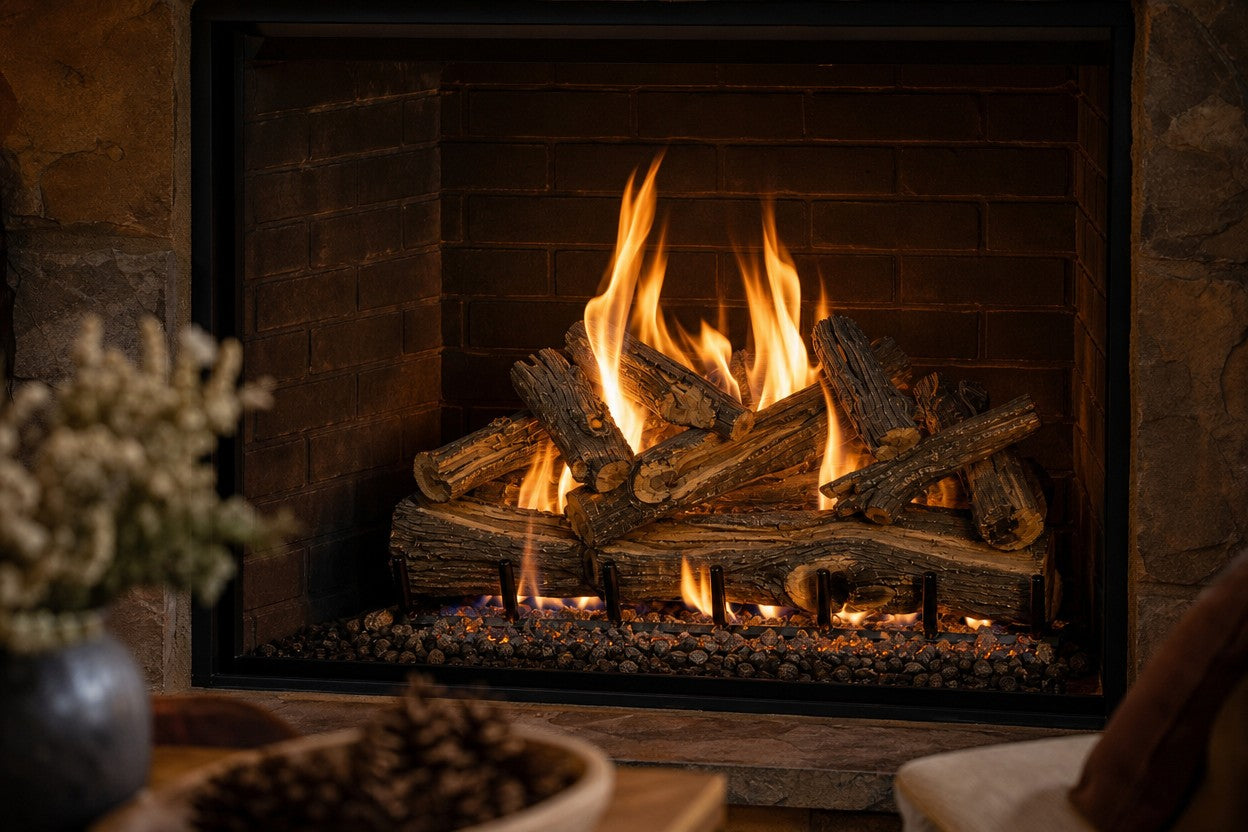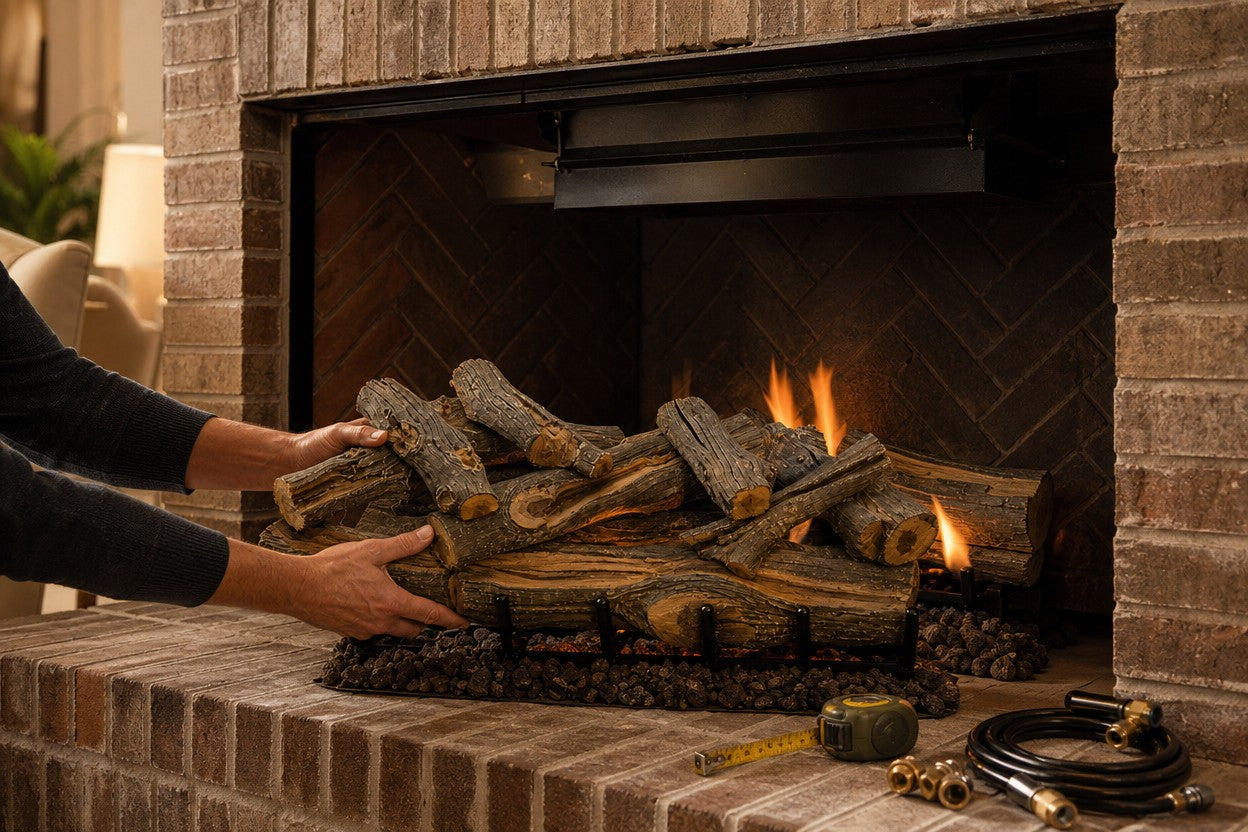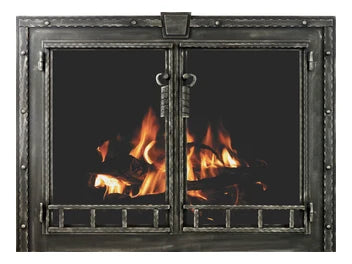
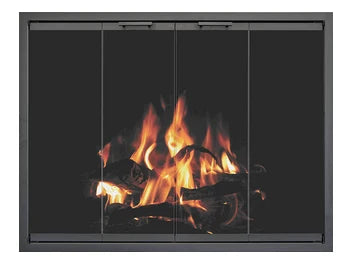
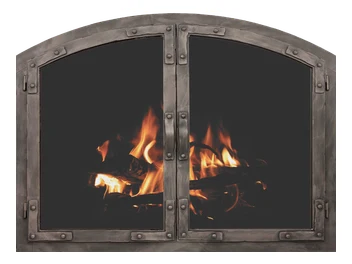
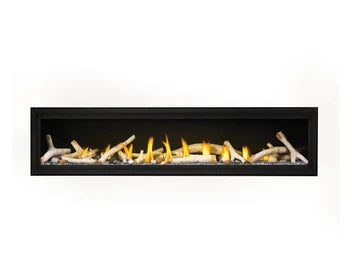
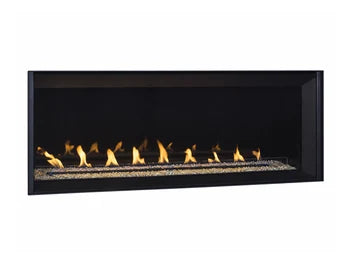
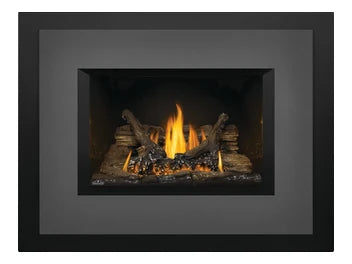

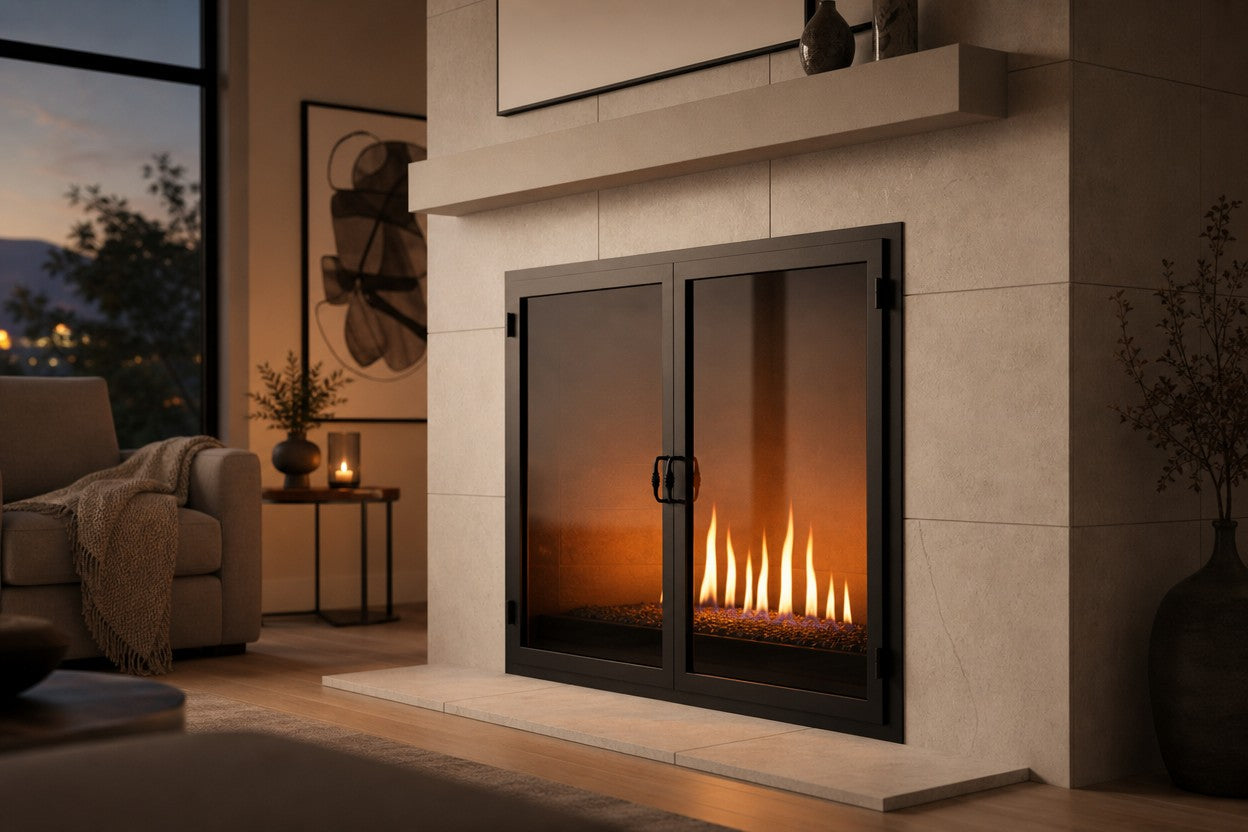
It's the question every fireplace door owner asks, and the internet answers it badly: should the glass doors be open or closed while the fire burns? The confusion is understandable — even manufacturers' product photos often show roaring fires behind closed glass, because it looks better in the picture. Here's the straight answer from people who build fireplace doors for a living, plus the handful of exceptions worth knowing.
The one-sentence answer
With a wood-burning fire, keep the glass doors open and the mesh screen closed while flames are active; close the glass doors only after the fire has died down — and keep them closed whenever the fireplace is idle to stop your heated (or cooled) room air from escaping up the chimney.
Why glass doors stay open during a wood fire
1. Standard tempered glass isn't rated for direct fire
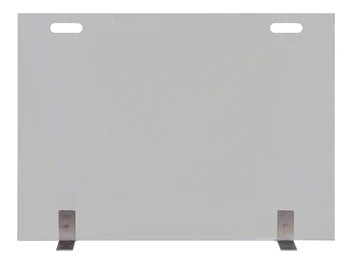
Most fireplace doors — ours included — use tempered safety glass, which handles roughly 400–500°F of sustained heat. A wood fire in the firebox routinely produces far more than that at the glass line. Burn with the doors closed and you're cooking the glass well past its comfort zone: over time it can weaken, discolor, or in the worst case shatter. (Tempered glass breaks into small pebbles rather than shards — that's the "safety" part — but you still don't want it happening in your living room.)
2. A fire needs to breathe
Flames draw combustion air from the room. Shut the glass while the fire is working and you choke the airflow: the fire smolders, burns dirty, and deposits more creosote (the flammable tar-like buildup that causes chimney fires) inside your flue. An open door and open damper give the fire the oxygen it needs to burn hot and clean.
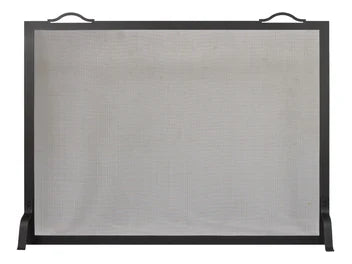
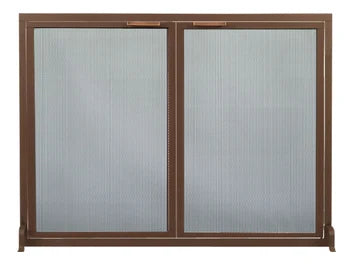
3. That's exactly what the mesh screen is for
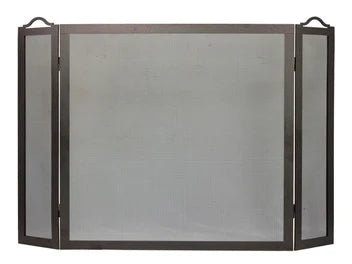
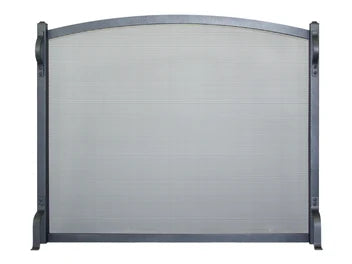
Every quality fireplace door includes a mesh curtain or mesh panel behind the glass. While the fire burns, the glass stays open and the mesh stays closed — it catches sparks and rolling embers while letting heat and air pass freely. This is the configuration your fireplace was designed to burn in.

When the doors should be closed
- As the fire dies down. Once you're down to low flames and embers, closing the glass keeps late-popping sparks inside the firebox — especially useful before you leave the room or head to bed.
- Whenever the fireplace is idle. This is the quiet superpower of fireplace doors. A chimney is a hole in your house: even with the damper shut, an unsealed fireplace leaks conditioned air all day. Closed glass doors act as a draft seal that a damper alone can't match — in both winter and summer.
- In homes with kids or pets. Closed doors put a physical barrier between curious hands and the firebox, and keep ash inside where it belongs.
The exceptions worth knowing
Ceramic glass doors
Some doors are built with ceramic glass (the material used in wood-stove windows), which tolerates well over 1,000°F. Doors specifically engineered and rated for closed-door burning can run closed — that's how airtight stove-style doors work. Unless your door's documentation explicitly says "rated for closed-door burning," assume it isn't. When in doubt, ask us — it's exactly the kind of question our specialists answer every day.
Gas fireplaces and gas logs
Different fuel, different rules. Vented gas logs burn with the damper open, and most manufacturers call for the doors to be fully open while burning, same as wood. Ventless (vent-free) logs must never burn behind closed glass — they're certified for open-air operation only. If you're weighing the two, our guide to vented vs ventless gas logs walks through the whole decision.
Do fireplace doors actually improve efficiency?
Yes — but not the way most people think. During the fire, an open hearth sends most of its heat up the chimney no matter what the doors do. The efficiency win comes between fires: a masonry fireplace without doors can leak a surprising share of your home's heated air even with the damper closed. Well-fitted glass doors seal that leak around the clock. Over a heating season, that's a real number on your energy bill — and it's why doors that fit your exact opening matter more than any accessory you can buy for a fireplace.
That fit is our whole business: every door we build is made to your measurements — see how it works in our guide to measuring your fireplace for glass doors, and every order gets a human Expert Fit Review before it's built.
Quick answers (FAQ)
Can I leave the fire burning with the doors closed "just for a bit"?
Avoid it with standard tempered glass. Even short closed-door burns push the glass beyond its rating, and the fire starts smoldering within minutes.
Should the doors be open or closed overnight?
Let the fire burn down to embers, then close the glass doors. They'll contain any late sparks while the embers finish cooling, and they'll stop the overnight draft.
Should the damper be open with the doors closed?
While anything in the firebox is still warm or smoldering, yes — keep the damper open so combustion gases exit. Only close the damper once the ash is fully cold.
What about in summer?
Keep the doors closed. They stop conditioned air from escaping and block the musty downdraft smell chimneys can push into a room on humid days.
My fireplace has no doors — is that a problem?
It burns fine without them, but you're paying for it in air leakage, spark risk, and cleanup. If your opening is masonry or prefab, we build custom doors to the exact 1/8-inch — masonry and prefab/zero-clearance alike.
The bottom line
Open glass + closed mesh while the fire burns. Closed glass when the fire is dying or out. Ceramic-rated doors and gas appliances follow their own manufacturer rules. If you're not sure what your fireplace needs — snap a photo and ask our fireplace experts, or call (949) 619-7824. Advice is free, and it's the same advice we give before building anyone's doors.